
Covent Garden Neighbourhood Guide: A Local’s Perspective on Central London’s Theatre District
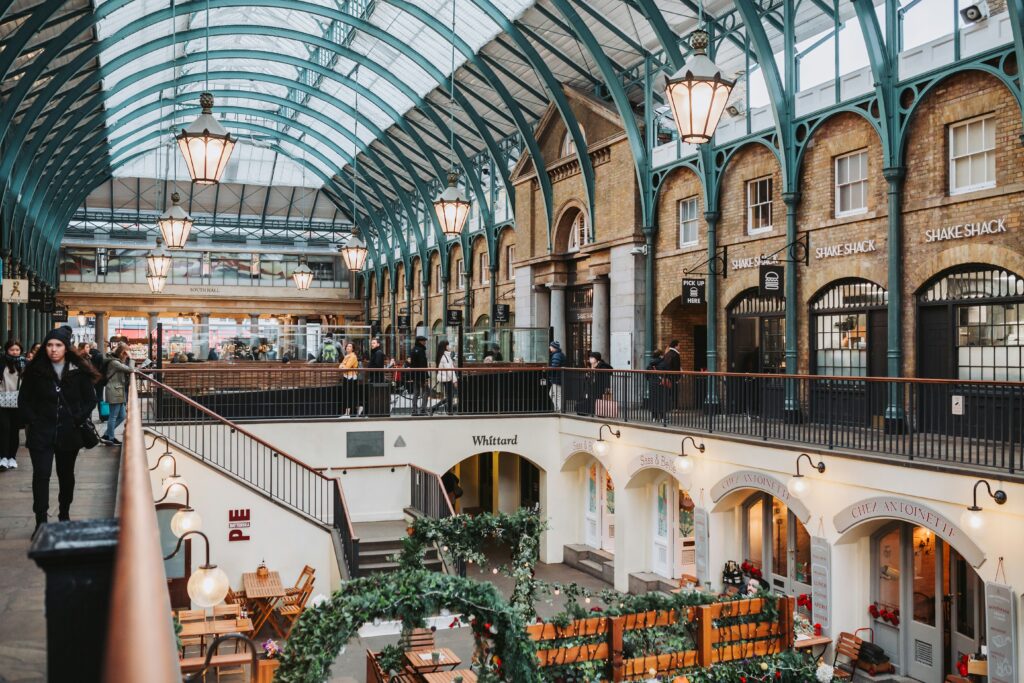
Covent Garden is probably the most tourist-dense square mile in London, and I say that as someone who genuinely likes it here. Yes, the piazza is packed with people taking photos of street performers. Yes, the Apple Store has a queue at 10am on a Tuesday. Yes, you’ll hear more American and European accents than London ones. But beneath all that, there’s a reason this area has been a gathering place for centuries. I’ve been navigating Covent Garden for years – sometimes for theatre trips, sometimes for specific shops, sometimes just because I’m meeting someone nearby and arrive early. What I’ve learned is this: Covent Garden rewards those who look beyond the obvious. The side streets are where the real neighbourhood lives. The early mornings and late evenings are when it breathes normally. And if you know where you’re going, you can have an excellent day here without fighting through crowds or spending a fortune. This isn’t a guide to the Apple Store and tourist restaurants. It’s the Covent Garden I’ve pieced together through countless visits – the cafés worth the price, the streets to wander, the shops that justify the trip, and how to actually enjoy one of London’s busiest areas. Getting to Covent Garden By Tube: Covent Garden (Piccadilly line) – Right in the centre but often rammed. Lifts only, no escalators or stairs, and they’re frequently broken. Exit queues can be 15+ minutes on busy days. Leicester Square (Piccadilly, Northern lines) – 5 minute walk, better connected, easier to get in and out Holborn (Piccadilly, Central lines) – 8 minute walk, far less crowded, good option Charing Cross (Bakerloo, Northern lines, National Rail) – 8 minute walk via Strand Best approach: Unless you’re already on the Piccadilly line, use Leicester Square or Holborn. You’ll save time and stress. By Bus: Routes 9, 13, 15, 23, 139, and many others serve the area. The 9 is particularly useful (Aldwych stop) if you’re coming from West London. Walking from nearby areas: 10 minutes from Trafalgar Square 10 minutes from Soho 15 minutes from Embankment (along Strand) 15 minutes from British Museum (via Bloomsbury streets) Reality check: Covent Garden station itself is often not worth the hassle. Walk from Leicester Square or Holborn instead. When to Visit Covent Garden Weekday mornings (8-10am): The neighbourhood before it wakes up properly. Cafés are open, shops are opening, street performers haven’t started yet. You can actually walk through the piazza without dodging crowds. Weekday afternoons (2-5pm): Busy but manageable. Lunchtime office workers have gone, evening theatre crowds haven’t arrived yet. Early evenings (5-7pm): Theatre district energy. People heading to shows, restaurants filling up, street performers working the crowds. Busy but with purpose rather than aimless tourist wandering. Avoid: Saturday afternoons (absolutely rammed), Sunday mornings (every tourist in London descends), December (Christmas market chaos), any time school holidays align with good weather. Best kept secret: Very early weekend mornings (8-9am) before the crowds arrive. The area is actually peaceful, you get your pick of cafés, and you remember it’s a proper neighbourhood, not just a tourist attraction. The Covent Garden Piazza: What You Need to Know The central market building is what everyone comes to see. Built in the 1830s, it’s now home to shops, cafés, and the Apple Store that seems to be perpetually busy. The Market Itself Apple Market (inside the main building): Daily, 10am-6pm. Antiques on Mondays, arts and crafts Tuesday-Sunday. Quality varies dramatically. Some genuinely talented makers sell here, but there’s also a lot of overpriced tourist tat. Jubilee Market (south side): Antiques on Mondays, general market Tuesday-Friday, arts and crafts on weekends. More touristy than the Apple Market, lower prices, lower quality. Worth visiting? Once, to see the building and atmosphere. Don’t expect to find treasures unless you’re very lucky or very knowledgeable. Street Performers The piazza has licensed buskers – acrobats, musicians, living statues, magicians. They’re often quite talented (there’s an audition process), and they work hard for tips. Etiquette: If you stop to watch a full act, tip. If you’re just passing through, keep moving rather than blocking views. Best performers: Usually late afternoon and early evening. Weekend performers tend to be more elaborate (brings bigger crowds = more tips). Where to Eat in Covent Garden This area is expensive and full of chain restaurants targeting tourists. But there are places worth your money. The Ivy Market Grill (1 Henrietta Street) Brasserie from the Ivy collection. Breakfast through dinner, all-day dining, classic British/European menu. Why it works: Reliable quality, beautiful interior, manages to feel special without being stuffy Good for: Pre-theatre dinner, weekend breakfast, reliable meal Price: £25-40 per person Booking: Essential for dinner, walk-ins possible at off-peak times Dishoom (12 Upper St Martin’s Lane) Bombay café-inspired restaurant. The Covent Garden branch is huge, beautiful, and surprisingly maintains quality despite the volume. Order: Bacon naan roll for breakfast, black daal and naan for dinner, any of the grilled items Best time: Breakfast (9-11am) has shorter waits, or book ahead for dinner Price: £20-30 per person Reality check: There’s usually a queue. It’s worth it, but factor in 20-30 minutes wait time. Frenchie (16 Henrietta Street) Covent Garden outpost of the Paris restaurant. Small plates, French technique, excellent wine list. Good for: Special dinner, wine lovers, when you want something beyond chains Atmosphere: Buzzy, informal fine dining Price: £45-60 per person Booking: Required Balthazar (4-6 Russell Street) French brasserie modelled on the New York original. Large, grand, all-day menu. Why people like it: Reliable, impressive room, good for groups, handles dietary requirements well Good for: Pre-theatre dinner (they know theatre schedules), weekend brunch Price: £30-45 per person Booking: Recommended Rules (35 Maiden Lane) London’s oldest restaurant, established 1798. Traditional British food, old-school atmosphere, walls covered in art and theatre memorabilia. Best for: If you want “historic London” dining experience, game season (grouse, venison, pheasant), pre-theatre Price: £50-70 per person Character: Very British, quite formal, charming if you’re into that Booking: Essential The Delaunay (55 Aldwych) Viennese-style café