
Wisteria Season in London: The Best Spots to See It (and When to Go)
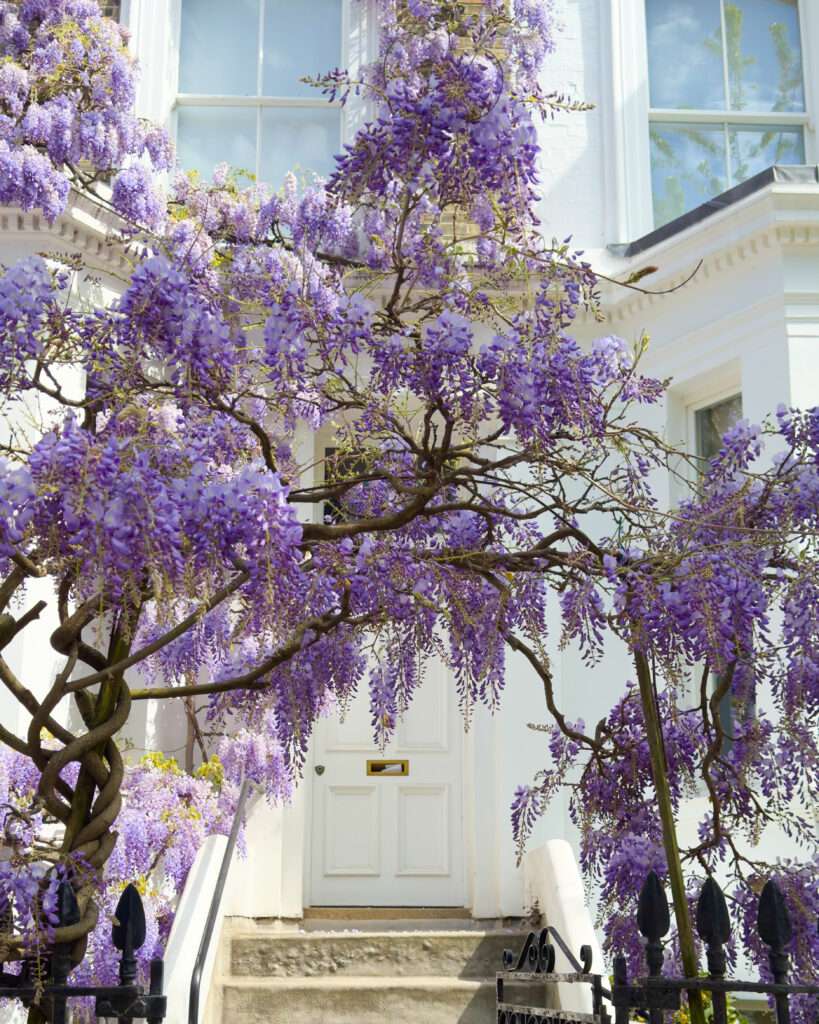
Every spring, London does something extraordinary. The grey gives way, the mornings smell different, and then – almost overnight – entire streets disappear behind curtains of purple. Wisteria season in London is one of those things you hear about and then, the first time you actually see it in person, you understand why half of Instagram loses its mind over it every April. I’ve spent the last few springs chasing down the best wisteria spots across the city – some you’ll have seen all over your feed, others that are genuinely worth tracking down. This is the guide I wish I’d had: the right timing, the best streets by neighbourhood, a few spots that don’t get nearly enough attention, and everything you need to actually plan a wisteria walk without wasting a Saturday on bad timing. When Is Wisteria Season in London? In London, wisteria usually starts appearing from mid to late April and often peaks in early May, though exact timing shifts with the weather. In a mild, sunny spring it can appear a little earlier; a cold snap can push it back by a week or two. So mid-April is when you want to start paying attention, and the first two weeks of May are usually your best bet for peak bloom. The window is short. Each vine holds its flowers for around two to three weeks before the petals drop and the whole thing goes green again until next year. The good news is that different streets and neighbourhoods tend to bloom at slightly different times – so even if one spot has already peaked, another might be just getting started. Instagram is actually useful here: search #wisteriahysteria or #wisteria London in late April and you’ll get a real-time read on what’s currently blooming and where. Pro tip: Weekday mornings are your best bet for crowd-free photos, especially at the well-known spots. The really popular streets fill up fast on weekends. Before we get into the best Wisteria locations… Please respect the residents. These are people’s homes, so don’t block driveways, keep the noise down, and remember that someone has to live behind the most photographed door in London every single spring. There’s been plenty of footage of crowds of creators hanging around outside people’s houses – some even with suitcases and outfit changes – and I think we can all agree that’s really not okay. If you do decide to stop for a few photos or videos, keep it brief and make sure you’re not disturbing the residents or the rest of the street. It’s simply the respectful thing to do. Kensington: The Undisputed Capital of Wisteria Hysteria If you only have time for one neighbourhood, make it Kensington. The concentration of wisteria here is extraordinary – grand white stucco houses dripping in purple, cobbled mews streets that look like they belong in a different century entirely. You could spend an entire morning here and still find new corners. Bedford Gardens, W8 One of the most photographed wisteria houses in London is arguably in Bedford Gardens – a white façade with a pink door completely engulfed in purple. There’s a blue plaque here too, commemorating composer Frank Bridge who once lived here. Arrive early on weekdays to stand any chance of a quiet shot; weekends are a queue situation. Head further down the street for a slightly less crowded but equally lovely display. Stafford Terrace, W8 Stafford Terrace is the other big one – specifically the corner where purple blooms cascade down to the second floor, filling the fence with grape-like clusters. It’s stunning in the way that makes you stop walking entirely. This spot gets a lot of sun, so bring sunglasses if you’re shooting in the morning and don’t be surprised to find a small crowd of fellow admirers. Gordon Place, W8 Just around the corner from Bedford Gardens, Gordon Place is quieter and arguably more beautiful for it. The whole street gets in on the wisteria action – it’s less about one statement house and more about that cumulative effect of purple creeping across an entire row. Horbury Mews, W11 (Notting Hill border) A quiet pathway just off the main drag of Notting Hill, Horbury Mews has one of the more special wisteria displays in the area – a wisteria-covered home at the rear of a pastel courtyard. There are benches, multiple angles to work with, and it tends to be significantly less crowded than the streets nearby. One of those spots that rewards the people who actually look for it. South Kensington and Chelsea: Mews Streets and Riverside Blooms Kynance Mews, SW7 Kynance Mews is one of those spots that doesn’t feel like London at all – the teal-green windows, the cobbled street, the archway entrance. In spring, wisteria climbs up the historic carriage houses across several metres of façade. It’s a bit of a pilgrimage for photographers and for good reason. The narrow street makes angles interesting, so experiment rather than just going straight on. Closest tube: Gloucester Road. Sumner Place, SW7 A row of white mews houses with weeping wisteria trailing across balconies and columns. Sumner Place is one of the lesser-known South Kensington spots, which means you’re more likely to have it to yourself. It’s elegant in a low-key way that the more famous streets can’t quite match when there are thirty people queueing for the same shot. Elm Place, SW3 A short street in Chelsea where multiple houses get involved – the wisteria here feels more rustic, less curated than the grand Kensington displays, which I actually prefer. Pair it with a walk down to Cheyne Walk if you’re in the area. Cheyne Walk, SW3 One of London’s most historic streets, right along the Thames. During wisteria season the purple blooms curl around wrought iron railings and spill over first-floor balconies, with the river just steps away. Worth combining with a walk along the Embankment – the whole thing feels distinctly like a spring day in London done