
The Ultimate Valencia Travel Guide 2026
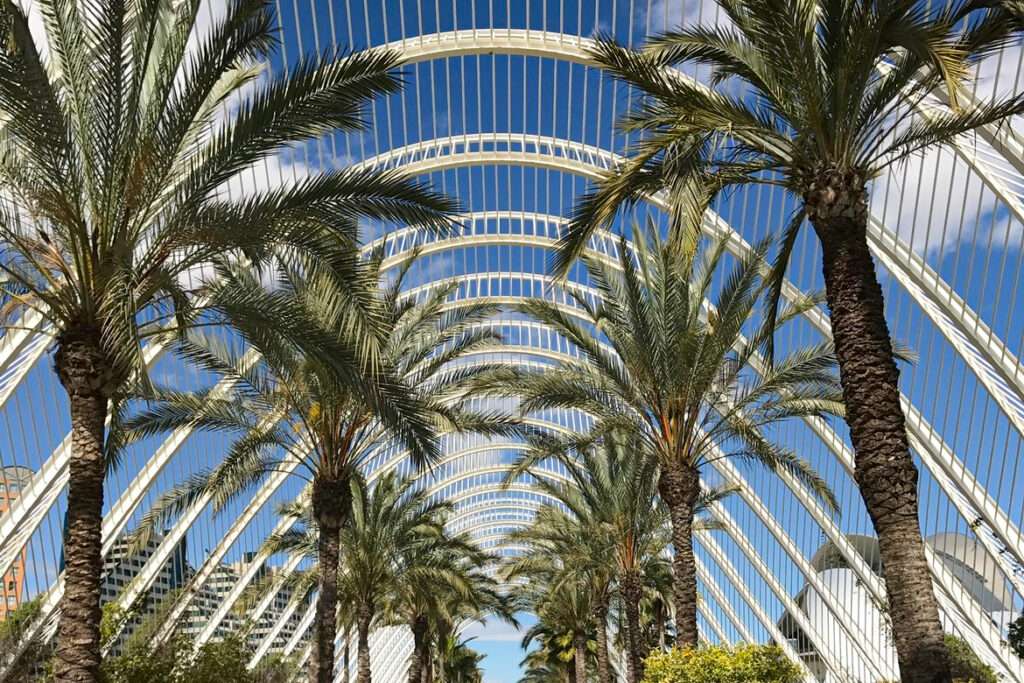
Valencia has my heart to this day. I lived there for six months during my university years – one of those Erasmus placements that’s supposed to be about studying and ends up being about something else entirely. Something like learning how to actually live. How to do Siesta right, eat dinner with friends on a weekday at 9pm in your favourite local restaurant and make a lunch trip to the beach the most normal thing in the world. How to sit in a plaza with nowhere to be. How to order a jug of Agua de Valencia and watch an afternoon dissolve into evening without even realising. I came home completely changed by that city, and I’ve been going back almost every year since. At this point it feels like a second home. I know which café to go to on a Sunday morning in Ruzafa. I know which beach restaurant is worth the wait and which ones are coasting on location. I know the exact walk through the Turia Garden at golden hour that makes you understand why people move there and never leave. Valencia is Spain’s third-largest city, sits on the Mediterranean coast about two and a half hours by flight from London, and has been quietly getting on with being extraordinary while Barcelona and Madrid collect all the headlines. It has beaches 15 minutes from the city centre. It has Gothic architecture, futuristic design, and one of the best food markets in Europe all within walking distance of each other. It’s more affordable than either of its more famous rivals. And the people — genuinely, the warmth of the people here is something I have never quite found anywhere else. If you haven’t been, this is the guide I wish I’d had before I first arrived. And if you have been, maybe this will convince you it’s time to go back. Quick Facts Before You Go Getting there: Direct flights from London Gatwick, Heathrow, Stansted, and Luton – around 2 hours 30 minutes. easyJet, British Airways, Vueling, and Ryanair all operate routes. Valencia Airport connects to the city centre via metro (Lines 3 and 5) in about 20 minutes. Skip the airport taxis unless you’re splitting the cost. When to go: Spring (April–June) and autumn (September–October) are the sweet spots – warm, manageable crowds, and the city at its most alive. Summer is hot and wonderful if you’re beach-focused, but prices rise and the tourist numbers in the Old Town get relentless. Winter is mild (15–18°C), almost empty of tourists, and criminally underrated. I’ve been in February and had the entire Mercado Central to myself. It was brilliant. How long do you need: Two days is enough for a taste and you’ll leave wanting more – which is the point. Three to four days is the ideal trip. Five or more and you have time to actually slow down and do it properly, with day trips built in. Budget: Noticeably cheaper than Madrid or Barcelona. A mid-range hotel, a menú del día lunch, and a proper dinner out will come to around €80–100 per day per person. The menú del día – a three-course set lunch with wine, offered by almost every restaurant – is typically €12–16 and is one of the great civilised institutions of Spanish life. Getting around: Valenbisi is Valencia’s public bike-share scheme and it’s excellent – grab a day pass via the app and you’ll cover more ground, more comfortably, than any other combination of transport. The Turia Garden runs the length of the city and is entirely traffic-free. The old town is completely walkable. Tram Line 4 connects the centre to the beaches at Malvarrosa in about 20 minutes. The Best Time to Visit (And the One Date You Need to Know) Valencia’s climate is genuinely exceptional – around 300 sunny days a year, mild winters, and the kind of light in spring and autumn that makes everything look better than it has any right to. Spring (April–June) is my personal favourite. Orange trees in bloom, comfortable temperatures, manageable crowds, and the city in full swing after the post-Fallas calm. The light in May is extraordinary. Summer (July–August) is peak beach season and a completely different energy – louder, busier, more expensive, and more fun if you embrace it. The beaches are genuinely good and the evening culture really comes into its own when the days are long. Autumn (September–October) runs spring very close. Warm sea, thinner crowds, lower prices, and the restaurant scene at its most creative as the seasonal ingredients shift. Winter (November–February) is Valencia’s secret. Cold evenings but warm midday sun, almost no queues anywhere, and a quieter, more authentic version of the city. I’ve done a long weekend in January twice now and left wondering why more people don’t do it. Las Fallas (15–19 March): I need to talk about this separately because it’s one of the most spectacular things I’ve experienced anywhere in the world. For months, neighbourhood groups build enormous sculptural monuments – ninots – out of papier-mâché and painted figures, some reaching 30 feet high. They fill the streets. Then on the final night, they burn all of them simultaneously. The whole city becomes a fire festival. There are fireworks, marching bands, people in traditional dress, and a noise level that makes you feel the vibrations in your chest. It’s chaotic, sleepless, and completely unforgettable. If you want to go during Fallas, book your accommodation at least three to six months in advance. The city fills up entirely. MotoGP Grand Prix of Valencia (November): Something we only discovered in recent years – and now it’s firmly in the calendar. The Valencian Community Grand Prix takes place at Circuit Ricardo Tormo in Cheste, about 20 minutes outside the city, and it’s traditionally the final race of the entire MotoGP season. Which means the atmosphere is something else – championship titles are often on the line, the grandstands hold up to 150,000 people, and the circuit