
The Complete Guide to the Cotswolds: England’s Most Beautiful Countryside
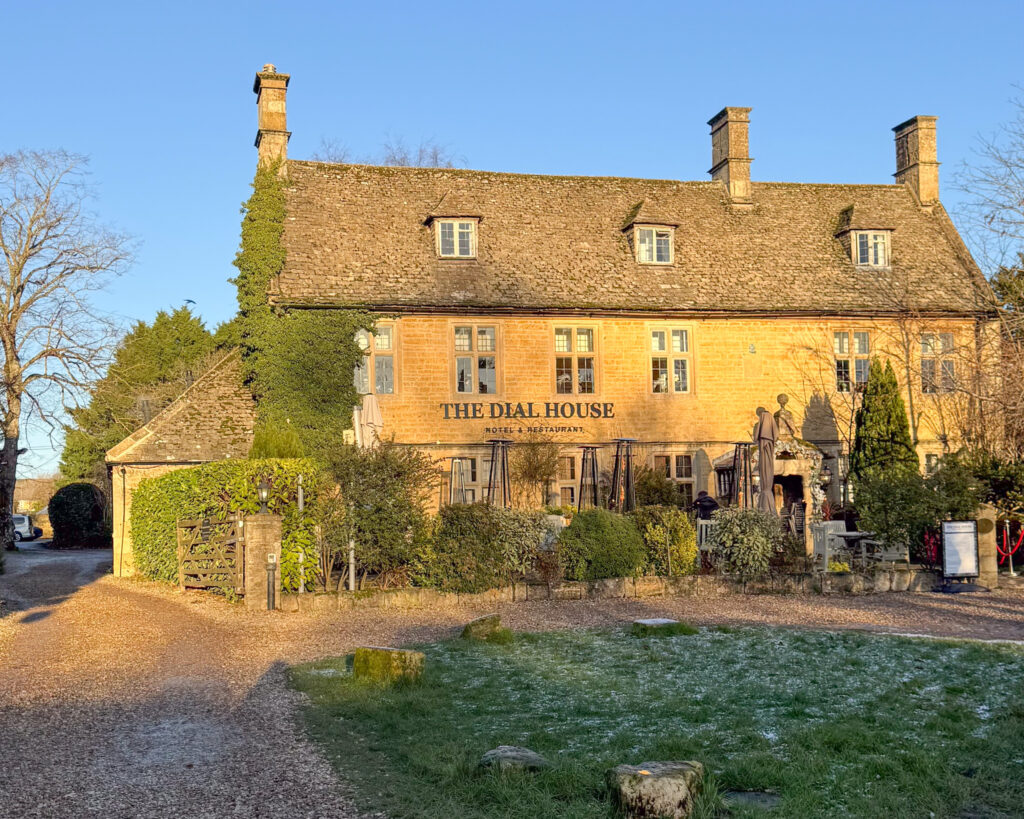
There’s a reason the Cotswolds attracts 38 million visitors every year. This isn’t just England’s largest Area of Outstanding Natural Beauty – it’s the England of your imagination made real. Honey-coloured stone villages that look lifted from storybooks. Rolling hills divided by miles of ancient dry-stone walls. Market towns where wool merchants built their fortunes in the Middle Ages. Thatched cottages with roses climbing the walls. Gentle valleys where time genuinely seems to move slower. We’ve spent years exploring the Cotswolds, returning in every season, discovering villages that don’t make the guidebooks alongside the famous names everyone visits. This is our complete guide – everything you need to know about visiting one of England’s most enchanting regions, from the practical details to the hidden corners that make the Cotswolds special. Where Are the Cotswolds? The Cotswolds covers nearly 800 square miles of south-western and west-central England, running roughly 90 miles long and 25 miles across. The region stretches from just south of Stratford-upon-Avon in the north down to Bath in the south, with Oxford marking its eastern edge. The area spans six English counties, though most of it sits in Gloucestershire and Oxfordshire. The boundaries also extend into parts of Warwickshire, Worcestershire, Wiltshire, and Somerset. This can make it slightly confusing to define exactly where “the Cotswolds” begins and ends – some people go by the official Area of Outstanding Natural Beauty boundary, others group together places sharing similar honey-stone architecture and rolling landscape. The highest point is Cleeve Hill at 330 metres, just east of Cheltenham. The region’s spine runs southwest to northeast, with its northern and western edges marked by steep escarpments down to the Severn Valley – a dramatic landscape feature known as the Cotswold Edge. What makes the Cotswolds distinctive is its geology. The bedrock is Jurassic limestone, created around 170 million years ago when this area lay under a warm, tropical sea. This limestone, when quarried and used as building material, creates that characteristic honey-gold colour you see throughout the region. The same geology creates rare limestone grassland and supports the ancient beech woodlands that cover roughly 10% of the area. The region was designated an Area of Outstanding Natural Beauty in 1966, making it England’s largest protected landscape of this type. In November 2023, all AONBs were rebranded as “National Landscapes,” though the legal designation remains AONB. Getting to the Cotswolds The Cotswolds’ location northwest of London makes it remarkably accessible. Most visitors can reach the region within a couple of hours by train or car from major cities. By car: The M4 and M5 motorways provide excellent access, connecting to a well-established local road network. Main roads through the area include the A46 (Bath-Stroud-Cheltenham), A419 (Swindon-Cirencester-Stroud), A429 (Cirencester-Stow-on-the-Wold-Moreton-in-Marsh), and A40 (Oxford-Burford-Cheltenham). Many of these follow ancient routes, some laid down by the Romans. By train: The region is bounded by two major rail routes – the Bristol-Bath-London high-speed line to the south, and the Bristol-Birmingham main line to the west. Moreton-in-Marsh is now accessible by train from London Paddington, making it an excellent starting point. Other towns with good rail connections include Cheltenham, Gloucester, and Stroud. From London: The Cotswolds makes an excellent day trip from London (though we’d recommend staying longer if possible). It’s roughly 90 miles and about two hours by car or train to the nearest parts of the region. The reality is that whilst it’s possible to explore the Cotswolds without a car using buses and trains, having your own transport gives you far more freedom to discover the smaller villages and stop wherever catches your eye. When to Visit the Cotswolds The Cotswolds is beautiful year-round, but each season offers something different. Spring (March-May): Gardens burst into bloom, lambs frolic in the fields, and the countryside turns vivid green. It’s one of the best times for visiting gardens and walking, though you might encounter occasional spring showers. The villages are less crowded than summer, and accommodation is easier to find. Summer (June-August): Peak season brings warm weather, long daylight hours, and the countryside at its most lush. This is when the Cotswolds gets genuinely busy, particularly in the famous villages. Expect crowds in places like Bourton-on-the-Water and Bibury, and book accommodation well ahead. The upside is that everything is open, gardens are at their best, and you have maximum daylight for exploring. Autumn (September-November): Many consider this the best time to visit. The leaves turn golden and amber, ivy creeps red across honey-stone buildings, and the crowds thin out after the school holidays end. The weather remains mild through September and October, and the autumn light is spectacular for photography. You’ll avoid peak tourist numbers whilst still enjoying pleasant weather. Winter (December-February): The Cotswolds at its quietest and, on crisp clear days, absolutely magical. Yes, it’s cold, and some attractions have reduced hours or close entirely. But a winter walk through a Cotswolds village dusted with snow, followed by lunch in a pub with a roaring fire, is genuinely special. The days are short, so plan carefully to make the most of limited daylight. Christmas markets and festive events add charm to December visits. The Most Beautiful Villages and Towns With hundreds of villages to choose from, where do you start? These are the Cotswolds’ most beloved destinations, plus some lesser-known gems. The Famous Four Bourton-on-the-Water: Often called the “Venice of the Cotswolds,” though that’s perhaps overselling it. The River Windrush flows through the centre of the village, crossed by low stone bridges, with willow trees overhanging and ducks paddling about. It’s undeniably pretty, but also the most touristy village in the Cotswolds. Visit early morning or late evening to avoid the worst crowds. The village hosts an annual river football match, which is as eccentric as it sounds. Bibury: William Morris called it “the most beautiful village in England,” and Arlington Row – a terrace of 17th-century weavers’ cottages – is one of the most photographed locations in the Cotswolds. The cottages sit beside the River