
The Romantic Road In Germany: Castles, Medieval Towns & Bavarian Countryside
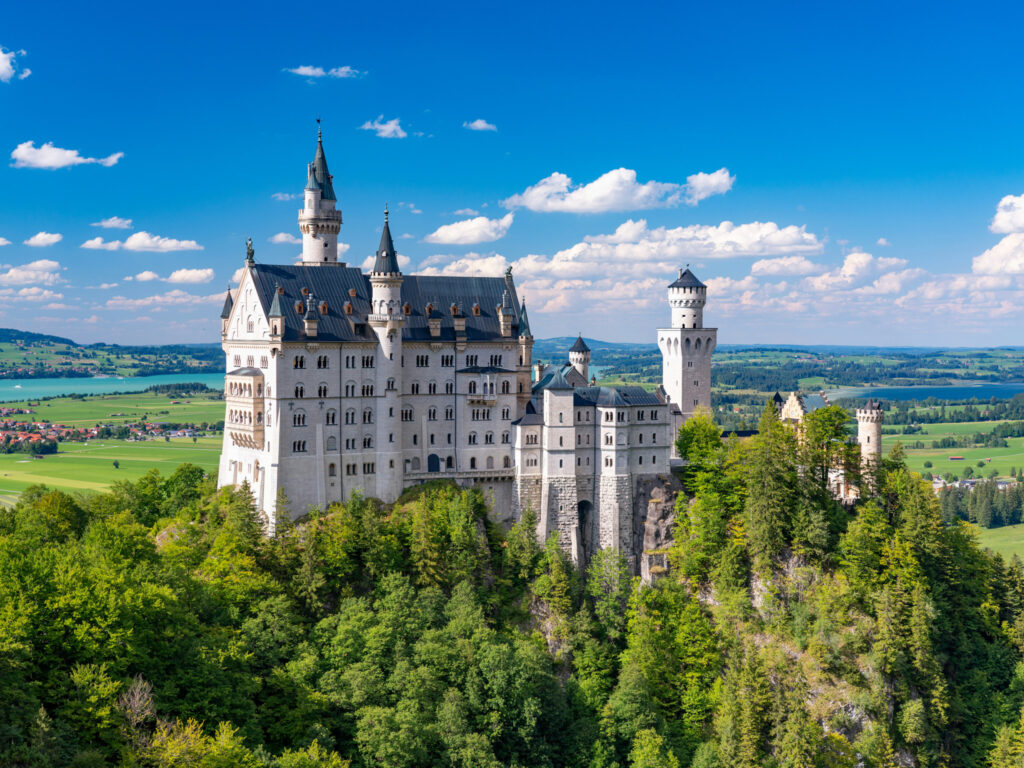
The Romantic Road (Romantische Straße) is Germany’s most famous scenic route, and for good reason. This 400km journey through Bavaria takes you past fairy-tale castles, perfectly preserved medieval towns, baroque palaces, rolling vineyards, and eventually into the dramatic foothills of the Alps. It’s a route that rewards slow travel – lingering in cobbled squares, walking ancient town walls, discovering hidden churches, and watching the landscape shift from Franconian wine country to Alpine peaks. Whether you’re driving, cycling, or taking the train, the Romantic Road offers some of the most beautiful and romantic scenery in southern Germany. This guide covers the route’s highlights, the best castles and towns to visit, what makes the countryside so special, and how to experience it all at your own pace. What Is the Romantic Road? The Romantic Road runs approximately 400km from Würzburg in northern Bavaria to Füssen in the south, passing through Franconia and Upper Bavaria. Created as a designated tourist route in the 1950s, it links some of Germany’s most beautiful medieval towns, baroque churches, and historic castles. The name ‘Romantische Straße’ refers to the medieval, romantic-era character of the towns along the route rather than modern romance – though the scenery certainly inspires that too. As you travel south, the landscape transforms from gentle vineyard-covered hills around Würzburg to the dramatic mountain backdrop of Füssen and the Alps. The route is dotted with around 28 official stops, though you don’t need to visit them all. The real magic is in selecting the towns and castles that appeal most to you and taking time to explore them thoroughly rather than rushing through. The Northern Section: Würzburg to Rothenburg Würzburg: Baroque Splendour & Wine Culture The Romantic Road begins in Würzburg, a beautiful baroque city on the Main River surrounded by vineyard-covered hills. This is proper wine country, and the city has a sophistication and energy that sets it apart from the smaller towns further south. The Würzburg Residenz is the star attraction – a UNESCO World Heritage palace that ranks among Europe’s finest baroque buildings. The grand staircase, designed by Balthasar Neumann, is topped by the world’s largest ceiling fresco, painted by Giovanni Battista Tiepolo. The Court Garden behind the palace is equally impressive, with manicured lawns, fountains, and sculptures. Walk across the Old Main Bridge for views over the river and the Marienberg Fortress on the hill above. The bridge is lined with statues of saints and is a favourite spot for locals to gather with wine from the surrounding vineyards. Marienberg Fortress sits on a hill overlooking the city. You can walk up (steep but rewarding) or take a bus. The fortress itself houses museums, but the real draw is the panoramic view over Würzburg’s terracotta rooftops, the river, and the vineyards beyond. The countryside around Würzburg is characterised by gentle hills covered in Franconian vineyards. If you’re driving, consider taking a detour through the wine villages – places like Sommerhausen and Ochsenfurt are beautiful and far less touristy. Weikersheim Palace About 40km south of Würzburg, Weikersheim Palace is often overlooked but absolutely worth visiting. This Renaissance palace has beautifully preserved interiors and one of Germany’s finest baroque gardens – a formal layout with geometric patterns, sculptures, and perfectly trimmed hedges that stretch out towards the Tauber Valley. The palace sits in a small, quiet town, so you can wander the gardens and halls without the crowds you’ll encounter at more famous stops. Röttingen & the Tauber Valley As you continue south, the route follows the Tauber River through a landscape of gentle hills, forests, and small farming villages. The valley is particularly beautiful in late spring when everything is green, and in autumn when the vines turn gold and red. Röttingen is a tiny walled town that most people drive straight past. If you have time, stop for half an hour – the medieval walls are intact, the streets are peaceful, and it feels refreshingly uncommercial. Creglingen: Herrgottskirche Just off the main route near Creglingen, the Herrgottskirche (Lord God’s Church) houses one of the masterpieces of medieval German art: Tilman Riemenschneider’s carved wooden altarpiece. The church itself is small and unassuming from the outside, but the altar inside – depicting the Assumption of Mary – is extraordinarily detailed and moving. It’s a quiet, contemplative stop that offers something different from the bustle of the larger towns. Rothenburg ob der Tauber: The Jewel of the Romantic Road Rothenburg is the Romantic Road’s most famous town, and it lives up to its reputation. This is the medieval Germany of imagination – a near-perfectly preserved walled town with towers, cobbled streets, half-timbered houses painted in warm colours, and market squares that look like film sets. The town sits on a plateau above the Tauber Valley, and the setting is as beautiful as the architecture. You can walk almost the entire circuit of the medieval walls – about 2.5km – with covered walkways, towers, and views over the valley and surrounding countryside. The Plönlein is Rothenburg’s most photographed corner – a Y-shaped junction where two streets meet, framed by half-timbered houses and towers. It’s impossibly picturesque, especially early in the morning before the crowds arrive. St. Jakob’s Church contains another Riemenschneider masterpiece – the Holy Blood Altar, an intricately carved altarpiece depicting the Last Supper. The town gets extremely busy between 10am and 4pm when day-trippers and tour groups arrive. If you can, stay overnight. The town empties out in the evening, and walking the quiet streets at dusk or dawn – when the light is soft and golden – is magical. The countryside around Rothenburg is rolling farmland and forest, with paths leading down into the Tauber Valley. If you have time, walk down to the Doppelbrücke (Double Bridge) – a short trail from the town that offers beautiful views back up towards Rothenburg’s walls and towers. The Central Section: Medieval Towns & Open Countryside Dinkelsbühl: Quieter Charm About 40km south of Rothenburg, Dinkelsbühl offers similar medieval beauty but with fewer crowds.