
The Perfect Long Weekend in Cornwall: Coastal Walks, Fresh Seafood, and the Perfect Fowey Base
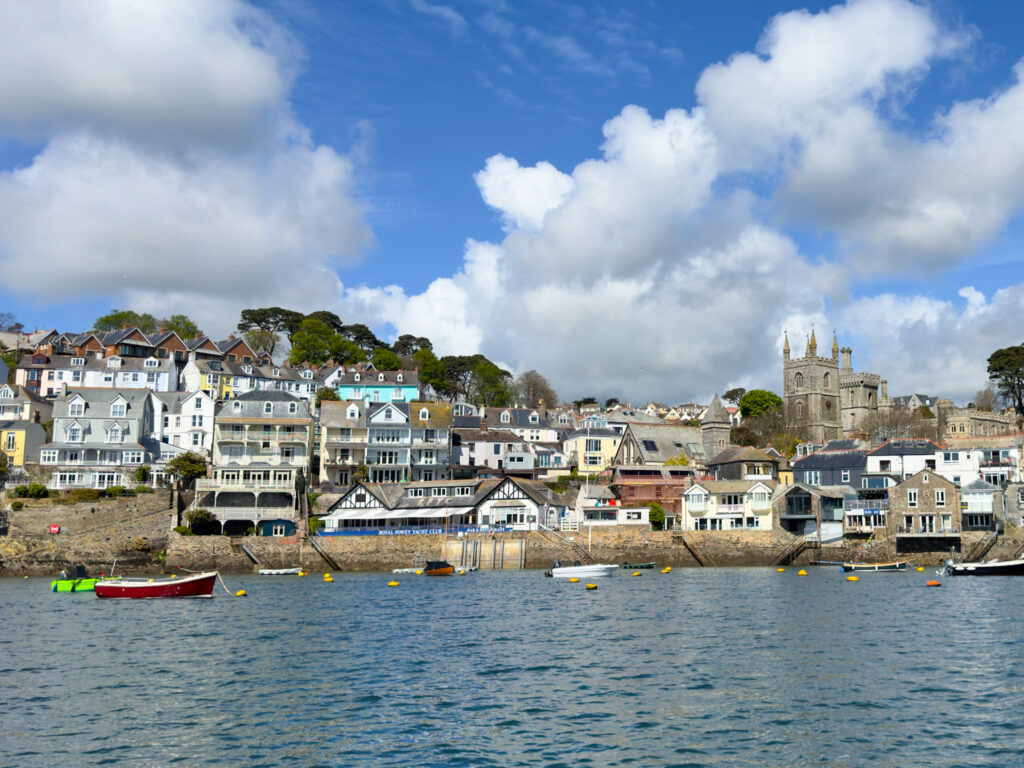
There’s something about Cornwall that gets under your skin. Maybe it’s the dramatic coastline where cliffs plunge into turquoise water. Maybe it’s the fishing villages that look like they haven’t changed in centuries. Or maybe it’s simply the way the light hits the sea on a clear afternoon, turning everything golden and impossibly beautiful. We spent a long weekend in Cornwall with Fowey as our base, and it reminded us exactly why this corner of England pulls people back time and again. This is our complete guide – from the drive down from London to the coastal walks that took our breath away, with a day trip to Padstow thrown in for good measure. The Drive from London to Fowey Let’s start with the practical bit: getting there. From London to Fowey is roughly 260 miles, which translates to about 5 hours driving in good traffic. The reality? Allow 5-6 hours, especially if you’re travelling on a Friday afternoon or during school holidays. There are two main routes from London to Cornwall, and we’ve tried both: Route 1: M4 → M5 → A30 (via motorways) This is the route most sat navs will suggest. Take the M4 west, join the M5 at Bristol, then pick up the A30 at Exeter. It’s slightly longer in miles (around 280 miles) but entirely on motorway until you hit the A30 in Devon. The advantage is predictability – motorways mean you can maintain speed and estimate arrival times fairly accurately. The disadvantage is monotony. It’s motorway driving for hours. Route 2: M3 → A303 → A30 (the scenic route) This is our preferred option. The M3 from London leads onto the A303, which weaves through Wiltshire and Somerset before joining the A30 in Devon. It’s slightly shorter (around 260 miles) and considerably more interesting. Yes, parts of the A303 are single carriageway where you might get stuck behind a tractor or lorry. But you drive right past Stonehenge (you can see it from the road), through rolling countryside, and the journey feels like part of the holiday rather than just the commute to it. The A30 continues as dual carriageway through most of Devon and Cornwall now, making the final stretch into Fowey relatively straightforward. Once you leave the A30 at the appropriate junction, it’s about 15-20 minutes of smaller roads through lovely Cornish countryside before you reach Fowey. Top tip: Set off early if you can. Leaving London by 6-7am means you’ll miss the worst traffic and arrive in Fowey with most of the afternoon ahead of you. Pack snacks for the car – service stations exist but aren’t frequent once you’re past Exeter. Parking in Fowey: The town has several car parks. We used Caffa Mill Car Park near the Bodinnick Ferry, which costs around £7-9 for the day. Fowey’s streets are narrow and winding – trust us, you’ll want to park and explore on foot. Why Fowey Makes the Perfect Base Fowey (pronounced “foy” to rhyme with “joy” – yes, we got it wrong initially too) sits on the south Cornish coast where the River Fowey meets the sea. It’s small enough to feel like a proper Cornish fishing village, but large enough to have excellent restaurants, good accommodation, and proper facilities. The town cascades down steep streets toward a working harbour where fishing boats moor alongside sailing yachts. Ice-cream-coloured cottages line narrow lanes. Independent shops sell everything from Daphne du Maurier novels (more on her later) to proper Cornish pasties. And the ferry across to Polruan runs every 15 minutes, opening up walks on both sides of the estuary. What makes Fowey special as a base is location. You’re on the South West Coast Path, one of Britain’s most spectacular long-distance trails. Dramatic coastal walks extend in both directions. The town itself is charming enough for lazy afternoons. And you’re within an hour’s drive of most of South Cornwall’s highlights, making day trips perfectly feasible. Why Cornwall is Perfect for Dogs (And Alan’s First Holiday) We brought our mini Dachshund Alan to Fowey when he was just six months old for his very first holiday, and honestly, we couldn’t have chosen a better destination for his introduction to travel. Cornwall has a well-deserved reputation as one of the UK’s most dog-friendly regions, and Fowey exemplified exactly why. Alan had an absolute ball. From the moment we arrived, he was in puppy heaven – new smells, exciting walks, beaches to explore, and plenty of other four-legged friends to socialise with along the coastal paths. Dog-Friendly Beaches Around Fowey Cornwall has over 330 beaches along 250 miles of coastline, and the vast majority welcome dogs. Around Fowey specifically, you have excellent options: Year-round dog-friendly beaches: Polridmouth Cove: Just a couple of hours’ walk from Fowey, this sheltered spot allows dogs all year. At low tide you get two distinct beaches. It’s rarely crowded, and the walk through wooded farm tracks makes it feel like an adventure. Alan loved exploring the rock pools here. Par Sands: About 10 minutes from Fowey with a pay-and-display car park. Popular with dog walkers, and watching Alan charging across the sand, digging holes, and diving into the waves was pure joy. Lantic Bay: Between Fowey and Polperro, this stunning National Trust beach is accessible via the Hall Walk. The half-hour trek from the car park means it stays relatively quiet. The turquoise water and white sand made Alan’s first beach experience genuinely spectacular. Coombe Haven: Within 15 minutes’ walk from Fowey, accessible all year for dogs. Seasonal restrictions (no dogs Easter to 1st October): Readymoney Cove: Just 5 minutes from the beach car park, 20 minutes from Fowey town centre Polkerris Beach: 5 minutes from the car park with a dog-friendly pub Whitehouse Beach: 10 minutes from Fowey car park (only accessible at low tide) The seasonal restrictions are manageable – there are so many year-round beaches that you’ll never struggle to find somewhere for your dog to run. And even the restricted beaches welcome dogs
Covent Garden Neighbourhood Guide: A Local’s Perspective on Central London’s Theatre District
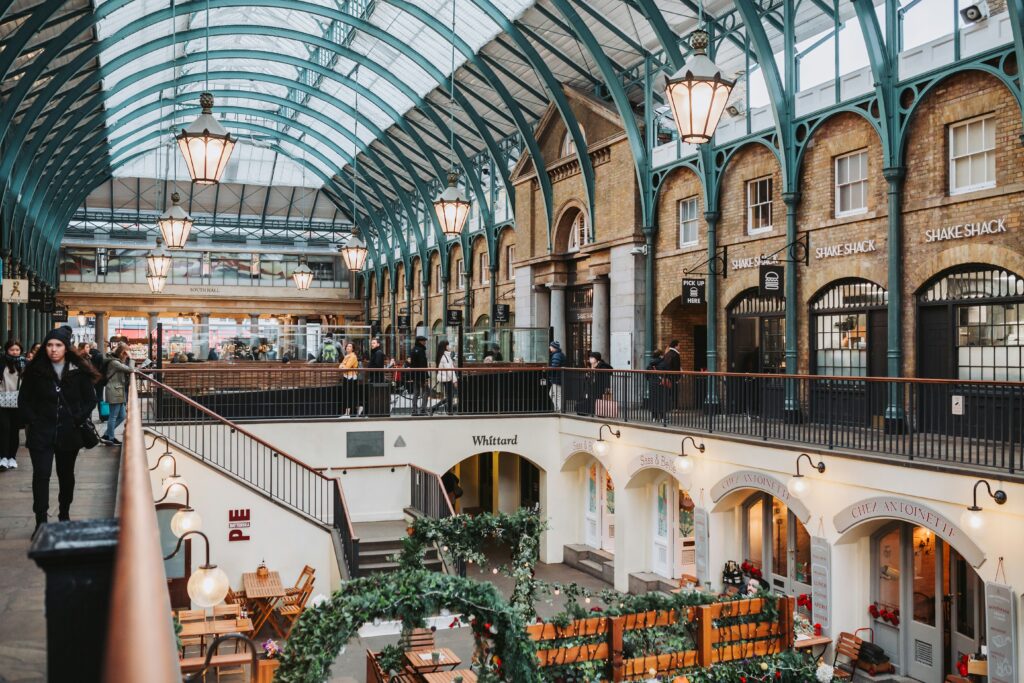
Covent Garden is probably the most tourist-dense square mile in London, and I say that as someone who genuinely likes it here. Yes, the piazza is packed with people taking photos of street performers. Yes, the Apple Store has a queue at 10am on a Tuesday. Yes, you’ll hear more American and European accents than London ones. But beneath all that, there’s a reason this area has been a gathering place for centuries. I’ve been navigating Covent Garden for years – sometimes for theatre trips, sometimes for specific shops, sometimes just because I’m meeting someone nearby and arrive early. What I’ve learned is this: Covent Garden rewards those who look beyond the obvious. The side streets are where the real neighbourhood lives. The early mornings and late evenings are when it breathes normally. And if you know where you’re going, you can have an excellent day here without fighting through crowds or spending a fortune. This isn’t a guide to the Apple Store and tourist restaurants. It’s the Covent Garden I’ve pieced together through countless visits – the cafés worth the price, the streets to wander, the shops that justify the trip, and how to actually enjoy one of London’s busiest areas. Getting to Covent Garden By Tube: Covent Garden (Piccadilly line) – Right in the centre but often rammed. Lifts only, no escalators or stairs, and they’re frequently broken. Exit queues can be 15+ minutes on busy days. Leicester Square (Piccadilly, Northern lines) – 5 minute walk, better connected, easier to get in and out Holborn (Piccadilly, Central lines) – 8 minute walk, far less crowded, good option Charing Cross (Bakerloo, Northern lines, National Rail) – 8 minute walk via Strand Best approach: Unless you’re already on the Piccadilly line, use Leicester Square or Holborn. You’ll save time and stress. By Bus: Routes 9, 13, 15, 23, 139, and many others serve the area. The 9 is particularly useful (Aldwych stop) if you’re coming from West London. Walking from nearby areas: 10 minutes from Trafalgar Square 10 minutes from Soho 15 minutes from Embankment (along Strand) 15 minutes from British Museum (via Bloomsbury streets) Reality check: Covent Garden station itself is often not worth the hassle. Walk from Leicester Square or Holborn instead. When to Visit Covent Garden Weekday mornings (8-10am): The neighbourhood before it wakes up properly. Cafés are open, shops are opening, street performers haven’t started yet. You can actually walk through the piazza without dodging crowds. Weekday afternoons (2-5pm): Busy but manageable. Lunchtime office workers have gone, evening theatre crowds haven’t arrived yet. Early evenings (5-7pm): Theatre district energy. People heading to shows, restaurants filling up, street performers working the crowds. Busy but with purpose rather than aimless tourist wandering. Avoid: Saturday afternoons (absolutely rammed), Sunday mornings (every tourist in London descends), December (Christmas market chaos), any time school holidays align with good weather. Best kept secret: Very early weekend mornings (8-9am) before the crowds arrive. The area is actually peaceful, you get your pick of cafés, and you remember it’s a proper neighbourhood, not just a tourist attraction. The Covent Garden Piazza: What You Need to Know The central market building is what everyone comes to see. Built in the 1830s, it’s now home to shops, cafés, and the Apple Store that seems to be perpetually busy. The Market Itself Apple Market (inside the main building): Daily, 10am-6pm. Antiques on Mondays, arts and crafts Tuesday-Sunday. Quality varies dramatically. Some genuinely talented makers sell here, but there’s also a lot of overpriced tourist tat. Jubilee Market (south side): Antiques on Mondays, general market Tuesday-Friday, arts and crafts on weekends. More touristy than the Apple Market, lower prices, lower quality. Worth visiting? Once, to see the building and atmosphere. Don’t expect to find treasures unless you’re very lucky or very knowledgeable. Street Performers The piazza has licensed buskers – acrobats, musicians, living statues, magicians. They’re often quite talented (there’s an audition process), and they work hard for tips. Etiquette: If you stop to watch a full act, tip. If you’re just passing through, keep moving rather than blocking views. Best performers: Usually late afternoon and early evening. Weekend performers tend to be more elaborate (brings bigger crowds = more tips). Where to Eat in Covent Garden This area is expensive and full of chain restaurants targeting tourists. But there are places worth your money. The Ivy Market Grill (1 Henrietta Street) Brasserie from the Ivy collection. Breakfast through dinner, all-day dining, classic British/European menu. Why it works: Reliable quality, beautiful interior, manages to feel special without being stuffy Good for: Pre-theatre dinner, weekend breakfast, reliable meal Price: £25-40 per person Booking: Essential for dinner, walk-ins possible at off-peak times Dishoom (12 Upper St Martin’s Lane) Bombay café-inspired restaurant. The Covent Garden branch is huge, beautiful, and surprisingly maintains quality despite the volume. Order: Bacon naan roll for breakfast, black daal and naan for dinner, any of the grilled items Best time: Breakfast (9-11am) has shorter waits, or book ahead for dinner Price: £20-30 per person Reality check: There’s usually a queue. It’s worth it, but factor in 20-30 minutes wait time. Frenchie (16 Henrietta Street) Covent Garden outpost of the Paris restaurant. Small plates, French technique, excellent wine list. Good for: Special dinner, wine lovers, when you want something beyond chains Atmosphere: Buzzy, informal fine dining Price: £45-60 per person Booking: Required Balthazar (4-6 Russell Street) French brasserie modelled on the New York original. Large, grand, all-day menu. Why people like it: Reliable, impressive room, good for groups, handles dietary requirements well Good for: Pre-theatre dinner (they know theatre schedules), weekend brunch Price: £30-45 per person Booking: Recommended Rules (35 Maiden Lane) London’s oldest restaurant, established 1798. Traditional British food, old-school atmosphere, walls covered in art and theatre memorabilia. Best for: If you want “historic London” dining experience, game season (grouse, venison, pheasant), pre-theatre Price: £50-70 per person Character: Very British, quite formal, charming if you’re into that Booking: Essential The Delaunay (55 Aldwych) Viennese-style café
The Romantic Road In Germany: Castles, Medieval Towns & Bavarian Countryside

The Romantic Road (Romantische Straße) is Germany’s most famous scenic route, and for good reason. This 400km journey through Bavaria takes you past fairy-tale castles, perfectly preserved medieval towns, baroque palaces, rolling vineyards, and eventually into the dramatic foothills of the Alps. It’s a route that rewards slow travel – lingering in cobbled squares, walking ancient town walls, discovering hidden churches, and watching the landscape shift from Franconian wine country to Alpine peaks. Whether you’re driving, cycling, or taking the train, the Romantic Road offers some of the most beautiful and romantic scenery in southern Germany. This guide covers the route’s highlights, the best castles and towns to visit, what makes the countryside so special, and how to experience it all at your own pace. What Is the Romantic Road? The Romantic Road runs approximately 400km from Würzburg in northern Bavaria to Füssen in the south, passing through Franconia and Upper Bavaria. Created as a designated tourist route in the 1950s, it links some of Germany’s most beautiful medieval towns, baroque churches, and historic castles. The name ‘Romantische Straße’ refers to the medieval, romantic-era character of the towns along the route rather than modern romance – though the scenery certainly inspires that too. As you travel south, the landscape transforms from gentle vineyard-covered hills around Würzburg to the dramatic mountain backdrop of Füssen and the Alps. The route is dotted with around 28 official stops, though you don’t need to visit them all. The real magic is in selecting the towns and castles that appeal most to you and taking time to explore them thoroughly rather than rushing through. The Northern Section: Würzburg to Rothenburg Würzburg: Baroque Splendour & Wine Culture The Romantic Road begins in Würzburg, a beautiful baroque city on the Main River surrounded by vineyard-covered hills. This is proper wine country, and the city has a sophistication and energy that sets it apart from the smaller towns further south. The Würzburg Residenz is the star attraction – a UNESCO World Heritage palace that ranks among Europe’s finest baroque buildings. The grand staircase, designed by Balthasar Neumann, is topped by the world’s largest ceiling fresco, painted by Giovanni Battista Tiepolo. The Court Garden behind the palace is equally impressive, with manicured lawns, fountains, and sculptures. Walk across the Old Main Bridge for views over the river and the Marienberg Fortress on the hill above. The bridge is lined with statues of saints and is a favourite spot for locals to gather with wine from the surrounding vineyards. Marienberg Fortress sits on a hill overlooking the city. You can walk up (steep but rewarding) or take a bus. The fortress itself houses museums, but the real draw is the panoramic view over Würzburg’s terracotta rooftops, the river, and the vineyards beyond. The countryside around Würzburg is characterised by gentle hills covered in Franconian vineyards. If you’re driving, consider taking a detour through the wine villages – places like Sommerhausen and Ochsenfurt are beautiful and far less touristy. Weikersheim Palace About 40km south of Würzburg, Weikersheim Palace is often overlooked but absolutely worth visiting. This Renaissance palace has beautifully preserved interiors and one of Germany’s finest baroque gardens – a formal layout with geometric patterns, sculptures, and perfectly trimmed hedges that stretch out towards the Tauber Valley. The palace sits in a small, quiet town, so you can wander the gardens and halls without the crowds you’ll encounter at more famous stops. Röttingen & the Tauber Valley As you continue south, the route follows the Tauber River through a landscape of gentle hills, forests, and small farming villages. The valley is particularly beautiful in late spring when everything is green, and in autumn when the vines turn gold and red. Röttingen is a tiny walled town that most people drive straight past. If you have time, stop for half an hour – the medieval walls are intact, the streets are peaceful, and it feels refreshingly uncommercial. Creglingen: Herrgottskirche Just off the main route near Creglingen, the Herrgottskirche (Lord God’s Church) houses one of the masterpieces of medieval German art: Tilman Riemenschneider’s carved wooden altarpiece. The church itself is small and unassuming from the outside, but the altar inside – depicting the Assumption of Mary – is extraordinarily detailed and moving. It’s a quiet, contemplative stop that offers something different from the bustle of the larger towns. Rothenburg ob der Tauber: The Jewel of the Romantic Road Rothenburg is the Romantic Road’s most famous town, and it lives up to its reputation. This is the medieval Germany of imagination – a near-perfectly preserved walled town with towers, cobbled streets, half-timbered houses painted in warm colours, and market squares that look like film sets. The town sits on a plateau above the Tauber Valley, and the setting is as beautiful as the architecture. You can walk almost the entire circuit of the medieval walls – about 2.5km – with covered walkways, towers, and views over the valley and surrounding countryside. The Plönlein is Rothenburg’s most photographed corner – a Y-shaped junction where two streets meet, framed by half-timbered houses and towers. It’s impossibly picturesque, especially early in the morning before the crowds arrive. St. Jakob’s Church contains another Riemenschneider masterpiece – the Holy Blood Altar, an intricately carved altarpiece depicting the Last Supper. The town gets extremely busy between 10am and 4pm when day-trippers and tour groups arrive. If you can, stay overnight. The town empties out in the evening, and walking the quiet streets at dusk or dawn – when the light is soft and golden – is magical. The countryside around Rothenburg is rolling farmland and forest, with paths leading down into the Tauber Valley. If you have time, walk down to the Doppelbrücke (Double Bridge) – a short trail from the town that offers beautiful views back up towards Rothenburg’s walls and towers. The Central Section: Medieval Towns & Open Countryside Dinkelsbühl: Quieter Charm About 40km south of Rothenburg, Dinkelsbühl offers similar medieval beauty but with fewer crowds.