
Greenwich Neighbourhood Guide: A Local’s Perspective on Southeast London’s Maritime Village
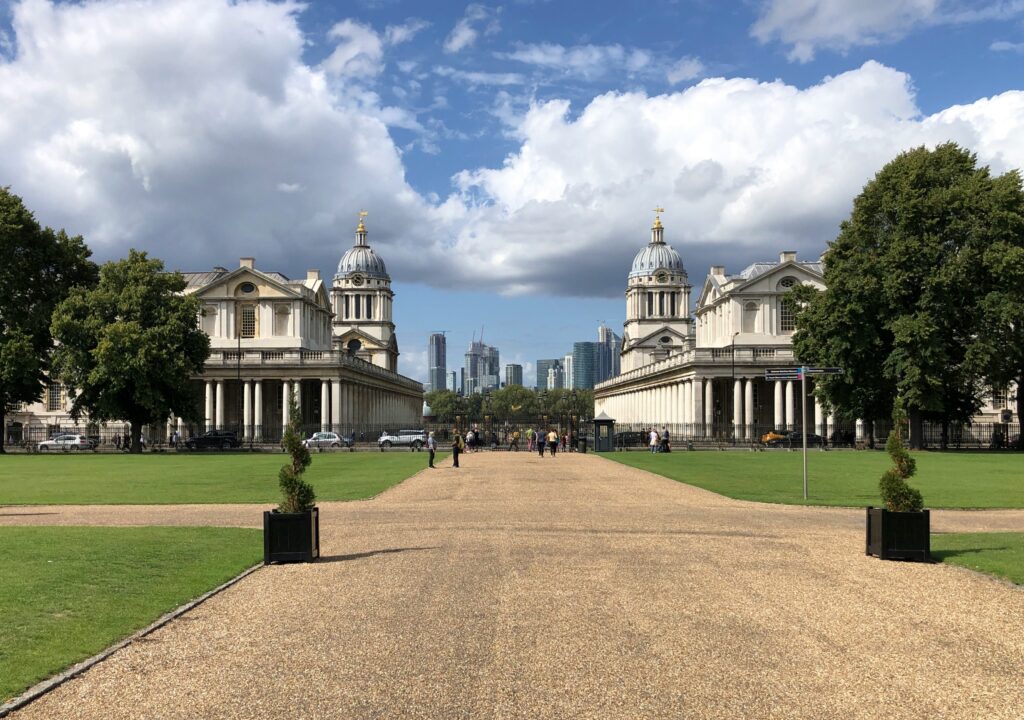
Greenwich feels like it shouldn’t work. A UNESCO World Heritage Site sitting next to a riverside market selling vintage band t-shirts and handmade jewellery. Historic naval buildings backing onto indie record shops and craft beer pubs. Yet somehow, this Southeast London neighbourhood has managed to be both a significant historical site and an actual place where people live, work, and spend Saturday afternoons. I’ve been visiting Greenwich for years, and what keeps bringing me back isn’t just the obvious attractions (though the park views are genuinely spectacular). It’s the way you can spend a morning in the 17th century at the Royal Observatory, have lunch at a Vietnamese café that’s been run by the same family for 20 years, then browse independent bookshops before ending the day with a pint overlooking the Thames. Greenwich has layers, and the longer you spend here, the more you discover. This isn’t a guide to ticking off the tourist sites. It’s the Greenwich I’ve come to know through early morning park walks, lazy Sunday lunches, evening drinks by the river, and those perfect autumn afternoons when the whole neighbourhood seems to glow. Getting to Greenwich By Train: Greenwich National Rail (from London Bridge, Cannon Street, or Charing Cross) – 10-15 minutes from central London, right in the heart of Greenwich Maze Hill (one stop further) – quieter station, good if you’re heading straight to the park By DLR (Docklands Light Railway): Cutty Sark for Maritime Greenwich – Right by the river, closest to the market and main attractions Greenwich – Just up the hill from Cutty Sark, closer to the town centre By River: Thames Clippers run regularly from central London piers (Westminster, Embankment, Tower). Takes about 45 minutes but the journey itself is lovely. You arrive right at Greenwich Pier. By foot through the Greenwich Foot Tunnel: If you’re already at Island Gardens on the north side of the Thames, you can walk through the Victorian foot tunnel under the river. Atmospheric, free, and you emerge right by the Cutty Sark. Best approach: Train is fastest. DLR gives you views over Docklands. River boat is the most scenic but takes longest. Choose based on your priorities. When to Visit Greenwich Weekday mornings: The neighbourhood at its best. Park walks without crowds, cafés with available tables, market stalls setting up without the weekend chaos. You can actually appreciate the architecture without fighting through tour groups. Saturday (market days): Busiest day. Greenwich Market is in full swing, streets are packed, riverside pubs are rammed by 2pm. Arrive before 11am or after 4pm to avoid peak crowds. Sunday afternoons: Lovely balance. Market is on but slightly calmer than Saturday. The park is busy with families and dog walkers, giving it that proper neighbourhood feel. Many Londoners make this their Sunday routine. Avoid: Bank holiday weekends (overwhelmed), Saturday afternoons in summer (too crowded to enjoy properly), and late December when Christmas market crowds are at their peak. Best seasons: Spring for park blossoms and longer daylight, early autumn for golden light on those Georgian terraces and fewer tourists. Greenwich Park: The Main Event Let’s start with the obvious. Greenwich Park isn’t just a park – it’s one of London’s eight Royal Parks, covers 180 acres, and has some of the best views in the city. The Classic Walk Enter at the riverside gate (near Cutty Sark), walk up the tree-lined avenue, past the Flower Garden on your left, and climb to the Royal Observatory at the top. The views from here stretch across Canary Wharf, the City, and on clear days you can see right into central London. Time: 20-30 minutes if you walk steadily, longer if you stop to actually enjoy it Difficulty: Uphill all the way but not steep. Paved paths. Best for: Views, first-time visitors, photos that make your friends jealous The Quiet Side Most visitors follow the central avenue. Go left instead, towards the Flower Garden and Wilderness Deer Park. Ancient sweet chestnut trees, fewer people, and if you visit early morning you might see the deer. Time: 30-45 minutes loop Best for: Peaceful walks, nature, avoiding crowds When: Weekday mornings, early Sunday before noon The Long Route Enter at Maze Hill station, walk through the wild eastern side of the park, past the tennis courts and children’s playground, up to the Observatory, then down through the centre. This gives you the full Greenwich Park experience. Time: 1-1.5 hours Best for: Proper walks, seeing the whole park, exercising dogs (on leads in certain areas) Practical Park Details Open: 6am – 6pm (winter), until 9:30pm (summer) Toilets: Near the Pavilion Café and at the Observatory Café: Pavilion Café (good coffee, decent pastries, outdoor seating) Dogs: Welcome but must be on leads near deer and in certain areas Views: Best from the Observatory terrace and the statue of General Wolfe My favourite time: Early morning, 7-8am. You’ll have the place almost to yourself, the light is beautiful, and deer are more visible. The Royal Observatory and Prime Meridian The reason Greenwich exists as a tourist destination. This is where time begins – literally. The Prime Meridian (0° longitude) runs through the courtyard, and every timezone in the world is measured from here. Entry: £18.50 adults (includes Flamsteed House and Meridian courtyard) Worth it? If you’re interested in navigation, astronomy, or history – absolutely. If you just want the Instagram shot standing on the meridian line, you can do that for free in the courtyard outside the buildings. What’s included: Historic telescope rooms, Harrison’s marine chronometers (fascinating if you’re into problem-solving), planetarium shows, and yes, that brass line marking 0° longitude. Best time to visit: First thing when they open (10am) to beat tour groups, or late afternoon when day-trippers have left. Skip it if: You’re not particularly interested in maritime history or astronomy. The courtyard view is free and honestly that’s the main attraction for most people. National Maritime Museum Right at the base of the park, this is one of the best museums
Notting Hill Neighbourhood Guide: A Local’s Perspective on West London’s Most Charming Area
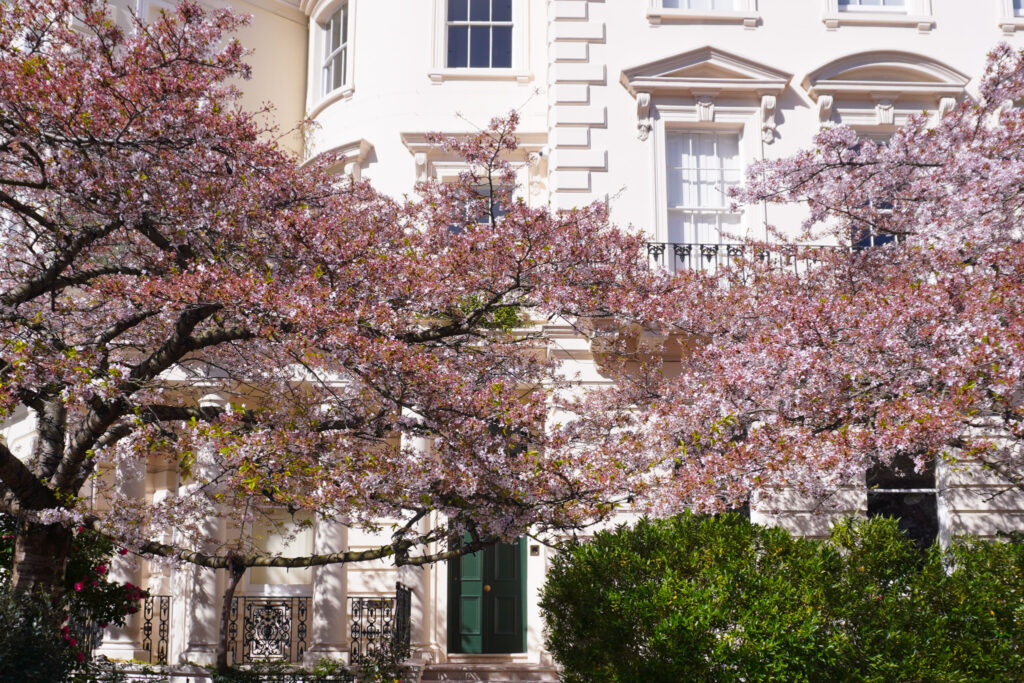
There’s something about Notting Hill that feels different from the rest of London. Maybe it’s the pastel-painted townhouses catching the afternoon light, or the way Portobello Road Market spills onto the pavement every Saturday. Whatever it is, this West London neighbourhood has held onto its village charm despite becoming one of the city’s most sought-after postcodes. I’ve been exploring Notting Hill for years now, and it never quite loses that initial magic. Yes, it’s become more polished since the film made it famous, but if you know where to look, you’ll still find the independent spirit that makes this area special. This isn’t a tourist’s hit-list of Instagram spots – it’s the Notting Hill I’ve come to know through countless Saturday mornings at the market, stolen weekday afternoons in quiet cafés, and those perfect summer evenings when the whole neighbourhood seems to spill onto the streets. Whether you’re planning your first visit or you’re a Londoner looking to rediscover this corner of West London, here’s what you actually need to know about Notting Hill. Getting to Notting Hill By Tube: Notting Hill Gate (Central, Circle, District lines) – the main station Ladbroke Grove (Circle, Hammersmith & City lines) – quieter, northern entrance Holland Park (Central line) – southern edge, near Kensington Best for: Portobello Market and main shopping street Quieter entrance: Come up at Ladbroke Grove for fewer crowds By Bus: Routes 7, 23, 52, 70, 94, and 390 all serve the area. The 52 is particularly useful if you’re coming from Victoria or King’s Cross. Walking from nearby areas: 15 minutes from Paddington Station 20 minutes from Hyde Park 25 minutes from Kensington High Street When to Visit Notting Hill Saturday mornings (8am-1pm): Peak Portobello Market time. Get there before 10am if you want to browse the antiques section without battling crowds. The market officially starts at 9am, but stallholders are setting up from 8am and it’s much quieter. Weekday mornings: The neighbourhood at its most authentic. Cafés filled with locals working on laptops, no queue for the Gail’s sourdough you’ve been eyeing, and Portobello Road as an actual street rather than a tourist attraction. Sunday afternoons: Most shops are closed, but the residential streets are beautiful for wandering. Locals are out walking dogs, the pubs have that perfect lazy Sunday atmosphere, and you get a real feel for what it’s like to actually live here. Avoid: Saturday afternoons after 1pm (market chaos), bank holiday weekends (overwhelmed), and August (peak tourist season). Best seasons: Spring for the wisteria-covered houses in full bloom, early autumn for golden afternoon light on those pastel facades. Portobello Road Market: What You Need to Know Let’s address the main reason most people come to Notting Hill. Portobello Market stretches for about a mile along Portobello Road, but it’s not one market – it’s several markets in one. The Antiques Section (Chepstow Villas to Elgin Crescent) Saturdays only, 9am-6pm This is the famous bit. Vintage jewellery, antique silverware, old cameras, vinyl records, and the kind of curiosities you didn’t know you needed. Quality varies wildly from genuine antiques to tat, but that’s part of the charm. My tip: Most dealers know their stuff, so proper bargains are rare. But if you’re looking for something specific and you visit regularly, you’ll start to recognise the dealers who specialise in your interest. They’re usually happy to chat and far more knowledgeable than a quick Google search. What to look for: Vintage jewellery (especially at the northern end), mid-century ceramics, old Penguin paperbacks, vintage prints and maps. The Food Market (Talbot Road to Lancaster Road) Monday-Saturday, 9am-6pm (Thursday until 1pm) Fresh produce, artisan bread, international food stalls, and some of the best street food in West London. This section runs all week, not just Saturdays. What to get: Gail’s sourdough if you haven’t already tried it, fresh pasta from the Italian deli, seasonal fruit from the greengrocer near Talbot Road, and coffee from any of the stalls—they’re all decent. Lunch here: The Moroccan food stall near Lancaster Road has been there for years. The falafel wraps are excellent and about £6. There’s also a Spanish tapas stall that does proper tortilla. The Fashion and Vintage Clothing (Westbourne Grove end) Fridays and Saturdays, 9am-5pm Less touristy than the antiques section. Vintage Levi’s, retro sportswear, second-hand designer pieces, and a lot of fast-fashion stalls mixed in. Worth it if: You enjoy digging for vintage finds and don’t mind that 80% of stalls are selling the same mass-produced festival clothing. General Market Survival Tips Start at the Notting Hill Gate end and walk north. You’ll hit the good antiques section first when you’re still fresh, and can decide if you want to continue up to the fashion bit. The real treasures are in the permanent shops, not on the street stalls. The antique shops along Portobello Road (especially in the arcade at 290) are open Tuesday-Saturday and often have better quality pieces. Watch your bag. Saturdays get packed, and pickpockets know this. Cafés Worth Your Time Farm Girl (59 Portobello Road) The Australian café that started the whole rose latte trend. Yes, it’s Instagram-famous. Yes, there’s often a queue. But the food is genuinely good—fresh, colourful, and the kind of breakfast you actually want on a Saturday morning. Order: The ricotta hotcakes or the green shakshuka. The coffee’s decent too. Best time: Weekday mornings (9-11am) to avoid the weekend crowd. Price: £12-18 for breakfast Granger & Co (175 Westbourne Grove) Bill Granger’s London outpost. More polished than Farm Girl, slightly less Instagrammable, arguably better food. The corn fritters and scrambled eggs are excellent. Why I like it: Large windows, lots of natural light, and they don’t rush you. Good spot for working if you’re okay with café noise. Best time: Any weekday morning Price: £14-20 for breakfast Gail’s Bakery (Multiple locations on Portobello Road) The London bakery chain that actually deserves the hype. Sourdough bread, excellent pastries, proper coffee. There are three Gail’s in Notting Hill, which tells
The Only Fudgy Dark Chocolate Brownie Recipe You’ll Ever Need
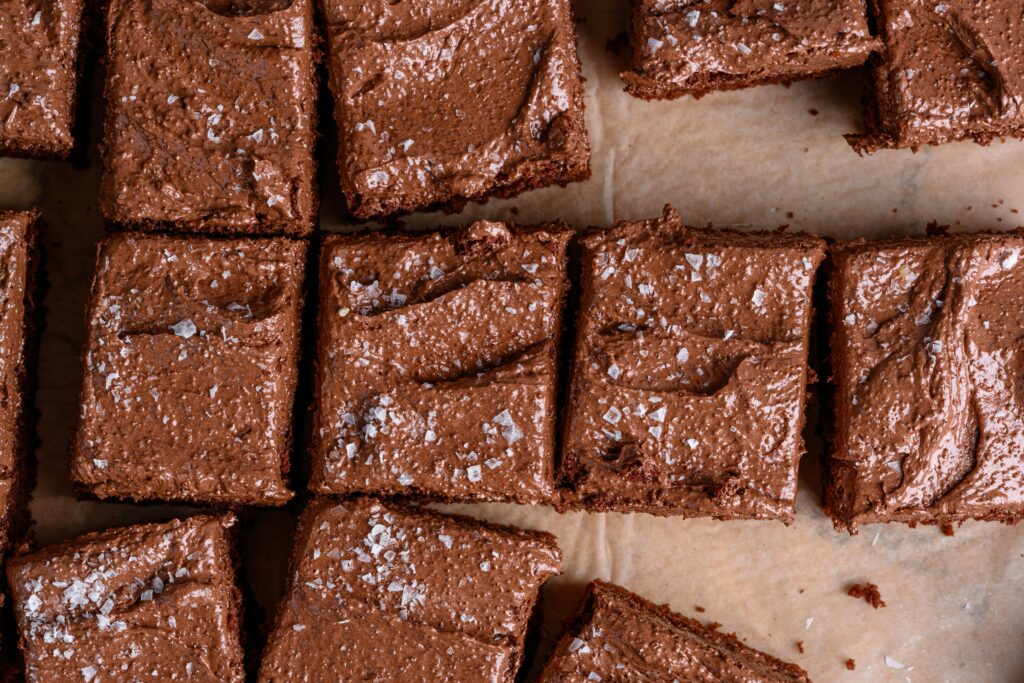
There is a specific kind of magic in a perfect brownie. I’m talking about that paper-thin, crackly top that shatters when you bite into it, giving way to a center so fudgy it’s almost like ganache. As someone with a background in cake decorating here in London, I have tried sooo many brownies. Many viral London “gems” look beautiful on Instagram but fall flat on texture and taste. This recipe is the “Little Black Dress” of my kitchen – classic, reliable, and perfectly styled. The Secret to the “Glossy” Top The secret isn’t just the chocolate – it’s the eggs and sugar. By whisking them until they reach a “ribbon stage” (thick, pale, and voluminous), you’re creating a meringue-like structure that rises to the top in the oven. Don’t skip the whisking time! Ingredients 180g Dark Chocolate: Use the good stuff (at least 70% cocoa). It balances the sugar. 180g Unsalted Butter: High-quality European butter for richness. 3 Large Eggs: Room temperature is best for volume. 250g Caster Sugar: For that perfect structure. 100g Plain Flour: Just enough to hold it together. 45g Cocoa Powder: Sifted, to avoid lumps. Optional (but divine): add a few dollops of your favourite jam or spread. I love using homemade berry compote. The Signature Finish: Choose Your Aesthetic A plain brownie is a snack; a topped brownie is an event. Depending on my mood, I finish these one of two ways. This is where the magic happens. Option 1: The “Cloud” (White Chocolate) For a high-contrast, minimalist look, I top the cooled brownies with white chocolate ganache. The Mix: 150g of white chocolate + 50ml double cream. The Tip: Use a high-quality white chocolate with cocoa butter (not vegetable fat) so it snaps when you bite into it. Option 2: The “Silk” (50% Cocoa Ganache) If I want something indulgent and glossy, I opt for a 1:1 dark chocolate ganache instead The Mix: 100g of 50% cocoa chocolate + 100ml double cream. The Method: Heat the cream until just simmering, pour over the chopped chocolate, let it sit for 2 minutes, then stir until it’s a mirror-like silk. The Look: Moody, rich, and incredibly satisfying. Method The Prep: Preheat your oven to 180°C (160°C Fan). Line a 9″ square baking tray with parchment paper. Melt & Cool: Melt the butter and dark chocolate together (bain-marie or microwave). Set aside to cool to room temperature. The “Mousse” Stage: Whisk the eggs and caster sugar together for 3–5 minutes until the mix doubles in volume and leaves a visible “trail” (the ribbon) for 2–3 seconds. The Gentle Fold: Pour your cooled chocolate mixture over the egg mousse. Use a spatula to fold gently—don’t knock out that air! Sift & Incorporate: Sift the cocoa powder and flour over the mix. Fold again until smooth. The Bake: Pour into the tin and bake for 25–30 minutes. It should have a slight wobble in the center. Leave to cool completely in the tin. The Final Touch: Once the brownie is stone cold, pour over your chosen white chocolate or 50% ganache. Let it set before slicing with a hot knife for those perfectly clean “Instagram” edges. Baking Ahead & Storage If you’re planning ahead, these actually taste better the next day once the flavours have had time to settle. You can keep them in an airtight container at room temperature for up to 4 days, or in the fridge if you prefer them extra chewy (especially with the ganache). They also freeze really well – just wrap the individual squares tightly in parchment and foil. Let me know if you make these.