
Bridgerton’s England: Visit Every Location from the Netflix Series
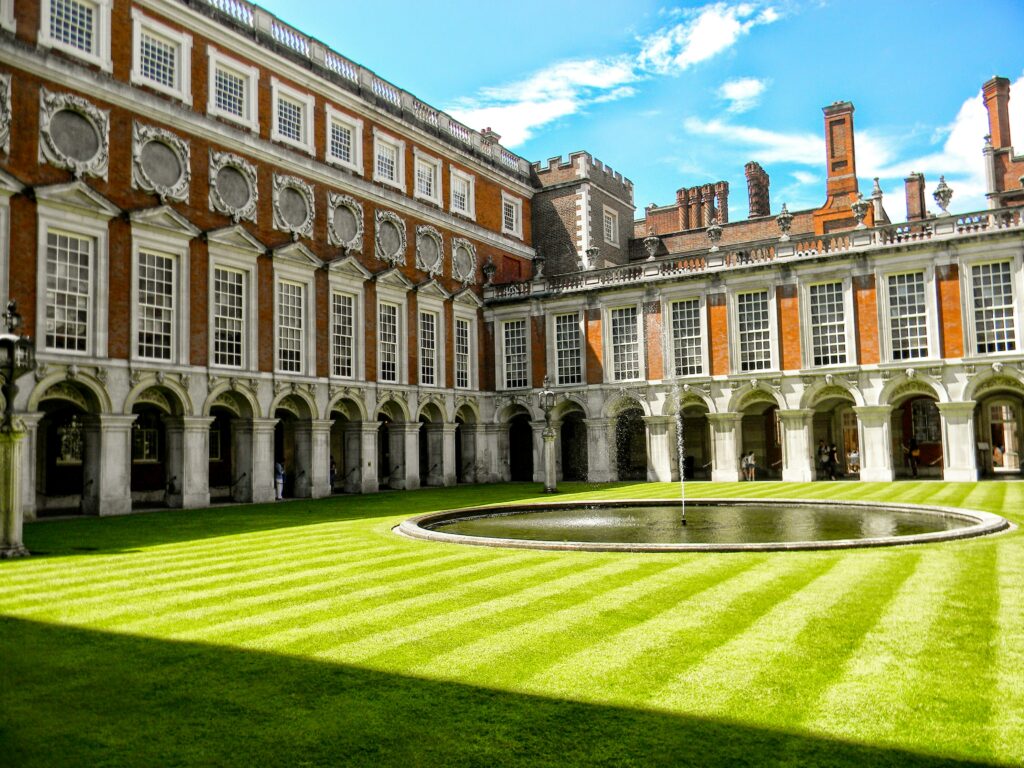
The ballrooms are buzzing, the gossip sheets are flying, and somewhere Lady Whistledown is sharpening her quill. Since Bridgerton swept onto Netflix screens in 2020, over 82 million households have been captivated by the Regency-era romance, scandal, and sumptuous settings. With Season 4 arriving in early 2026, there’s never been a better time to step into the world of the Ton. Here’s the thing that makes Bridgerton different from most period dramas: you can actually visit nearly every location. From the wisteria-draped Bridgerton family home to the ballrooms where Daphne and Simon danced, from the Featheringtons’ colourful townhouse to Queen Charlotte’s regal palace – these aren’t sets locked away in studios. They’re real English estates, museums, and historic sites scattered across England, many open to the public year-round. We’ve compiled the complete guide to every major Bridgerton filming location, with practical visiting information, insider tips, and details on how to plan your own Regency-era tour of England. Bath: The Heart of Bridgerton’s “London” Bath stands in for much of Regency London in Bridgerton, and honestly, it’s perfect casting. The UNESCO World Heritage city’s honey-coloured Georgian architecture and elegant crescents look like they were designed specifically for period dramas. Those pale limestone buildings you see throughout the series? That’s Bath stone, and it’s remarkably easy to spot once you know what you’re looking for. The very first scenes of Series 1 are three shots of Bath in the sunshine, setting the atmosphere for the entire show. You see elegant members of the ton promenading with parasols along Alfred Street, exchanging greetings on the Royal Crescent, and strolling down Bath Street between two colonnades. The city becomes a character itself. No. 1 Royal Crescent: The Featherington Family Home The most iconic location in Bath has to be No. 1 Royal Crescent, which serves as the exterior of the Featherington family home throughout all three seasons. In the show, this is their London townhouse in the fictional Grosvenor Square, but the real building is the first house in Bath’s most famous street, built between 1767 and 1775. The production team had some fun with this one. They added stone lions flanking the entrance, decorative pediments, and rosettes to reflect the Featherington family’s taste for opulence and their social-climbing aspirations. Through CGI magic, they made it appear as if the Bridgerton home sits directly opposite across a London square, though in reality, that’s Ranger’s House in Greenwich, over 100 miles away. Filming here takes about two to three days per series, and the Royal Crescent gets closed to traffic each time, generating enormous local interest. You can imagine the crowds gathering to watch the cast in full Regency costume climbing in and out of horse-drawn carriages. The beautiful news for visitors is that No. 1 Royal Crescent is now a museum, meticulously decorated and furnished as it would have been in the late 1700s. You can explore both the upstairs rooms where a Georgian family would have lived and the downstairs servants’ quarters, getting a genuine feel for Regency-era life. The museum even offers private Bridgerton-themed tours from £17 per person where guides share behind-the-scenes stories and production details. Just email them to book. The entire Royal Crescent itself is worth walking along. That sweeping curve of 30 Grade I listed terraced houses overlooking Royal Victoria Park is one of the finest examples of Georgian architecture in Britain, and you can wander freely across the lawn in front, imagining yourself promenading with the rest of high society. Abbey Green: Where Fashion and Gossip Collide Tucked away near Bath Abbey lies Abbey Green, a picturesque cobbled square with an irregular shape and a tree at its centre. This location was used heavily in Series 1 as the backdrop for shopping trips and strolls through London, often with added market stalls for atmosphere. The real gem here is The Abbey Deli, which was transformed into the Modiste dress shop owned by the infamous Madame Delacroix. The production team filmed both inside and outside this Grade II listed building with its traditional double-fronted bay windows. In the show, the Modiste is where the characters have their gowns fitted and where some of the juiciest gossip gets exchanged. Today, you can visit The Abbey Deli for coffee and sandwiches, and they’ve embraced their Bridgerton fame by selling themed merchandise alongside their regular offerings. It’s open daily, and there’s something rather delightful about having tea in the exact spot where Penelope and her sisters were fitted for ball gowns. The Assembly Rooms: Where the Ton Gathers Georgian Bath’s social epicentre was the Assembly Rooms, and Bridgerton made full use of these spectacular spaces. The Tea Room and Ball Room served as backdrops for the lavish ball scenes where characters dance under the watchful eye of society whilst The Ton passes judgement on every glance and gesture. Built in the 1770s for public social functions, the rooms were bombed during the Second World War and later rebuilt. What makes them special are the original Whitefriars crystal chandeliers that were actually lowered from the ceiling to feature more dramatically in the ballroom scenes. Imagine the logistics of that. The Assembly Rooms are owned by the National Trust and at the time of writing are closed for redevelopment, with plans to reopen as a tourist attraction in early 2027. Before then, they may open for limited visiting, so it’s worth checking the National Trust website if you’re planning a trip. The Holburne Museum: Lady Danbury’s Grand Mansion The impressive facade of the Holburne Museum serves as Lady Danbury’s residence in the series. This Grade I listed building was originally designed as a hotel in the late 19th century and is actually Bath’s first art gallery. The elegant exterior and gardens you see on screen are the real deal. The museum features prominently in Season 1, Episode 4, when Simon Basset attends a gathering hosted by Lady Danbury – a pivotal moment in his relationship with Daphne. In Season 3, Lady Danbury
The Complete Guide to the Cotswolds: England’s Most Beautiful Countryside
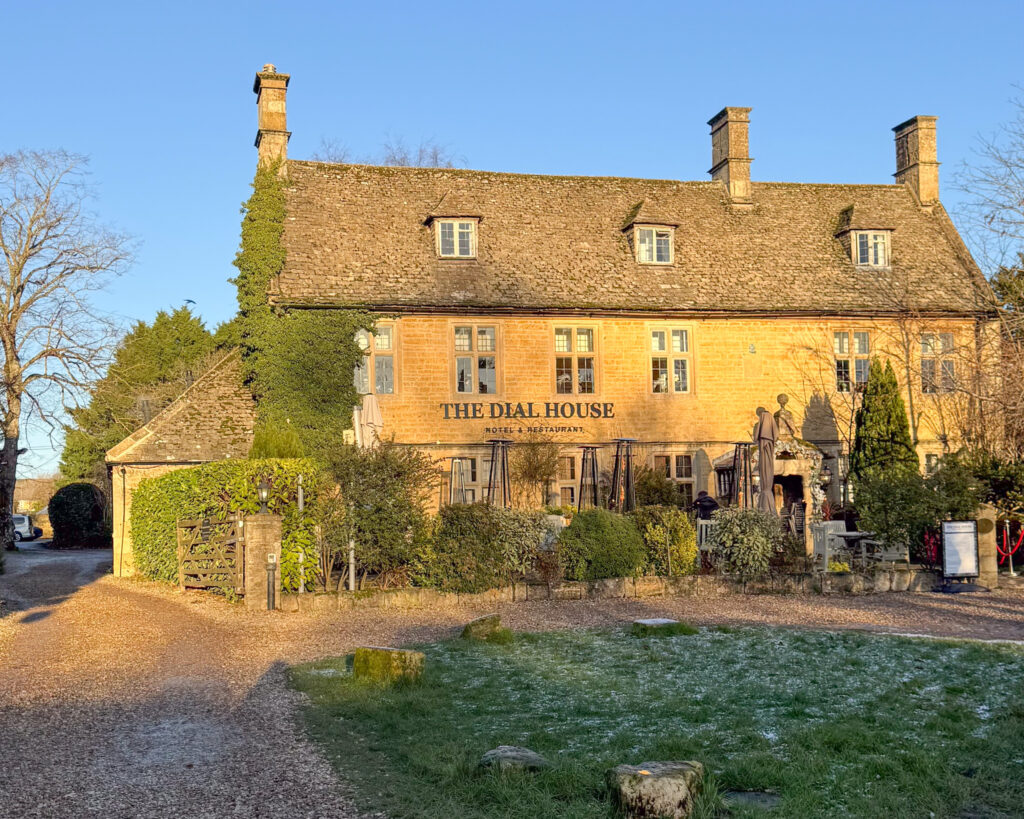
There’s a reason the Cotswolds attracts 38 million visitors every year. This isn’t just England’s largest Area of Outstanding Natural Beauty – it’s the England of your imagination made real. Honey-coloured stone villages that look lifted from storybooks. Rolling hills divided by miles of ancient dry-stone walls. Market towns where wool merchants built their fortunes in the Middle Ages. Thatched cottages with roses climbing the walls. Gentle valleys where time genuinely seems to move slower. We’ve spent years exploring the Cotswolds, returning in every season, discovering villages that don’t make the guidebooks alongside the famous names everyone visits. This is our complete guide – everything you need to know about visiting one of England’s most enchanting regions, from the practical details to the hidden corners that make the Cotswolds special. Where Are the Cotswolds? The Cotswolds covers nearly 800 square miles of south-western and west-central England, running roughly 90 miles long and 25 miles across. The region stretches from just south of Stratford-upon-Avon in the north down to Bath in the south, with Oxford marking its eastern edge. The area spans six English counties, though most of it sits in Gloucestershire and Oxfordshire. The boundaries also extend into parts of Warwickshire, Worcestershire, Wiltshire, and Somerset. This can make it slightly confusing to define exactly where “the Cotswolds” begins and ends – some people go by the official Area of Outstanding Natural Beauty boundary, others group together places sharing similar honey-stone architecture and rolling landscape. The highest point is Cleeve Hill at 330 metres, just east of Cheltenham. The region’s spine runs southwest to northeast, with its northern and western edges marked by steep escarpments down to the Severn Valley – a dramatic landscape feature known as the Cotswold Edge. What makes the Cotswolds distinctive is its geology. The bedrock is Jurassic limestone, created around 170 million years ago when this area lay under a warm, tropical sea. This limestone, when quarried and used as building material, creates that characteristic honey-gold colour you see throughout the region. The same geology creates rare limestone grassland and supports the ancient beech woodlands that cover roughly 10% of the area. The region was designated an Area of Outstanding Natural Beauty in 1966, making it England’s largest protected landscape of this type. In November 2023, all AONBs were rebranded as “National Landscapes,” though the legal designation remains AONB. Getting to the Cotswolds The Cotswolds’ location northwest of London makes it remarkably accessible. Most visitors can reach the region within a couple of hours by train or car from major cities. By car: The M4 and M5 motorways provide excellent access, connecting to a well-established local road network. Main roads through the area include the A46 (Bath-Stroud-Cheltenham), A419 (Swindon-Cirencester-Stroud), A429 (Cirencester-Stow-on-the-Wold-Moreton-in-Marsh), and A40 (Oxford-Burford-Cheltenham). Many of these follow ancient routes, some laid down by the Romans. By train: The region is bounded by two major rail routes – the Bristol-Bath-London high-speed line to the south, and the Bristol-Birmingham main line to the west. Moreton-in-Marsh is now accessible by train from London Paddington, making it an excellent starting point. Other towns with good rail connections include Cheltenham, Gloucester, and Stroud. From London: The Cotswolds makes an excellent day trip from London (though we’d recommend staying longer if possible). It’s roughly 90 miles and about two hours by car or train to the nearest parts of the region. The reality is that whilst it’s possible to explore the Cotswolds without a car using buses and trains, having your own transport gives you far more freedom to discover the smaller villages and stop wherever catches your eye. When to Visit the Cotswolds The Cotswolds is beautiful year-round, but each season offers something different. Spring (March-May): Gardens burst into bloom, lambs frolic in the fields, and the countryside turns vivid green. It’s one of the best times for visiting gardens and walking, though you might encounter occasional spring showers. The villages are less crowded than summer, and accommodation is easier to find. Summer (June-August): Peak season brings warm weather, long daylight hours, and the countryside at its most lush. This is when the Cotswolds gets genuinely busy, particularly in the famous villages. Expect crowds in places like Bourton-on-the-Water and Bibury, and book accommodation well ahead. The upside is that everything is open, gardens are at their best, and you have maximum daylight for exploring. Autumn (September-November): Many consider this the best time to visit. The leaves turn golden and amber, ivy creeps red across honey-stone buildings, and the crowds thin out after the school holidays end. The weather remains mild through September and October, and the autumn light is spectacular for photography. You’ll avoid peak tourist numbers whilst still enjoying pleasant weather. Winter (December-February): The Cotswolds at its quietest and, on crisp clear days, absolutely magical. Yes, it’s cold, and some attractions have reduced hours or close entirely. But a winter walk through a Cotswolds village dusted with snow, followed by lunch in a pub with a roaring fire, is genuinely special. The days are short, so plan carefully to make the most of limited daylight. Christmas markets and festive events add charm to December visits. The Most Beautiful Villages and Towns With hundreds of villages to choose from, where do you start? These are the Cotswolds’ most beloved destinations, plus some lesser-known gems. The Famous Four Bourton-on-the-Water: Often called the “Venice of the Cotswolds,” though that’s perhaps overselling it. The River Windrush flows through the centre of the village, crossed by low stone bridges, with willow trees overhanging and ducks paddling about. It’s undeniably pretty, but also the most touristy village in the Cotswolds. Visit early morning or late evening to avoid the worst crowds. The village hosts an annual river football match, which is as eccentric as it sounds. Bibury: William Morris called it “the most beautiful village in England,” and Arlington Row – a terrace of 17th-century weavers’ cottages – is one of the most photographed locations in the Cotswolds. The cottages sit beside the River
The Ultimate Valencia Travel Guide 2026
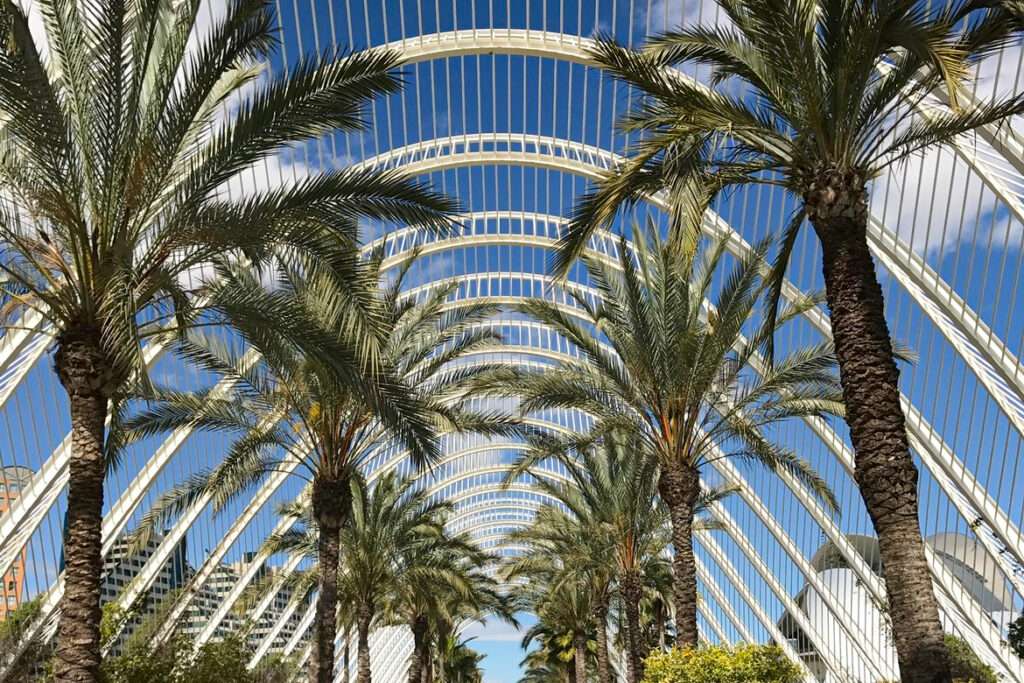
Valencia has my heart to this day. I lived there for six months during my university years – one of those Erasmus placements that’s supposed to be about studying and ends up being about something else entirely. Something like learning how to actually live. How to do Siesta right, eat dinner with friends on a weekday at 9pm in your favourite local restaurant and make a lunch trip to the beach the most normal thing in the world. How to sit in a plaza with nowhere to be. How to order a jug of Agua de Valencia and watch an afternoon dissolve into evening without even realising. I came home completely changed by that city, and I’ve been going back almost every year since. At this point it feels like a second home. I know which café to go to on a Sunday morning in Ruzafa. I know which beach restaurant is worth the wait and which ones are coasting on location. I know the exact walk through the Turia Garden at golden hour that makes you understand why people move there and never leave. Valencia is Spain’s third-largest city, sits on the Mediterranean coast about two and a half hours by flight from London, and has been quietly getting on with being extraordinary while Barcelona and Madrid collect all the headlines. It has beaches 15 minutes from the city centre. It has Gothic architecture, futuristic design, and one of the best food markets in Europe all within walking distance of each other. It’s more affordable than either of its more famous rivals. And the people — genuinely, the warmth of the people here is something I have never quite found anywhere else. If you haven’t been, this is the guide I wish I’d had before I first arrived. And if you have been, maybe this will convince you it’s time to go back. Quick Facts Before You Go Getting there: Direct flights from London Gatwick, Heathrow, Stansted, and Luton – around 2 hours 30 minutes. easyJet, British Airways, Vueling, and Ryanair all operate routes. Valencia Airport connects to the city centre via metro (Lines 3 and 5) in about 20 minutes. Skip the airport taxis unless you’re splitting the cost. When to go: Spring (April–June) and autumn (September–October) are the sweet spots – warm, manageable crowds, and the city at its most alive. Summer is hot and wonderful if you’re beach-focused, but prices rise and the tourist numbers in the Old Town get relentless. Winter is mild (15–18°C), almost empty of tourists, and criminally underrated. I’ve been in February and had the entire Mercado Central to myself. It was brilliant. How long do you need: Two days is enough for a taste and you’ll leave wanting more – which is the point. Three to four days is the ideal trip. Five or more and you have time to actually slow down and do it properly, with day trips built in. Budget: Noticeably cheaper than Madrid or Barcelona. A mid-range hotel, a menú del día lunch, and a proper dinner out will come to around €80–100 per day per person. The menú del día – a three-course set lunch with wine, offered by almost every restaurant – is typically €12–16 and is one of the great civilised institutions of Spanish life. Getting around: Valenbisi is Valencia’s public bike-share scheme and it’s excellent – grab a day pass via the app and you’ll cover more ground, more comfortably, than any other combination of transport. The Turia Garden runs the length of the city and is entirely traffic-free. The old town is completely walkable. Tram Line 4 connects the centre to the beaches at Malvarrosa in about 20 minutes. The Best Time to Visit (And the One Date You Need to Know) Valencia’s climate is genuinely exceptional – around 300 sunny days a year, mild winters, and the kind of light in spring and autumn that makes everything look better than it has any right to. Spring (April–June) is my personal favourite. Orange trees in bloom, comfortable temperatures, manageable crowds, and the city in full swing after the post-Fallas calm. The light in May is extraordinary. Summer (July–August) is peak beach season and a completely different energy – louder, busier, more expensive, and more fun if you embrace it. The beaches are genuinely good and the evening culture really comes into its own when the days are long. Autumn (September–October) runs spring very close. Warm sea, thinner crowds, lower prices, and the restaurant scene at its most creative as the seasonal ingredients shift. Winter (November–February) is Valencia’s secret. Cold evenings but warm midday sun, almost no queues anywhere, and a quieter, more authentic version of the city. I’ve done a long weekend in January twice now and left wondering why more people don’t do it. Las Fallas (15–19 March): I need to talk about this separately because it’s one of the most spectacular things I’ve experienced anywhere in the world. For months, neighbourhood groups build enormous sculptural monuments – ninots – out of papier-mâché and painted figures, some reaching 30 feet high. They fill the streets. Then on the final night, they burn all of them simultaneously. The whole city becomes a fire festival. There are fireworks, marching bands, people in traditional dress, and a noise level that makes you feel the vibrations in your chest. It’s chaotic, sleepless, and completely unforgettable. If you want to go during Fallas, book your accommodation at least three to six months in advance. The city fills up entirely. MotoGP Grand Prix of Valencia (November): Something we only discovered in recent years – and now it’s firmly in the calendar. The Valencian Community Grand Prix takes place at Circuit Ricardo Tormo in Cheste, about 20 minutes outside the city, and it’s traditionally the final race of the entire MotoGP season. Which means the atmosphere is something else – championship titles are often on the line, the grandstands hold up to 150,000 people, and the circuit
No Mixer Chocolate Cupcakes (Soft, Rich and Easy to Make)

There are some recipes that feel like they should require far more effort than they actually do, and these no mixer chocolate cupcakes are exactly that. They’re rich, soft, deeply chocolatey and have that lovely bakery-style texture, but you don’t need a stand mixer, any fancy equipment, or even much patience, to be honest. Just one bowl, a whisk, and about 10 minutes of actual effort. This is a recipe you can make on a weekday evening, for a birthday at home, for a dinner party dessert, or just because you’ve had one of those days where chocolate feels like a very reasonable solution. And if you love the style of those classic, foolproof American baking recipes – think soft crumb, rich cocoa flavour, and a proper frosting moment – these are very much in that lane. If you’re after an easy chocolate cupcake recipe without a mixer, give this one a try. Why you’ll love this recipe These cupcakes are: Super soft Rich without being too heavy Made with simple pantry ingredients Easy enough for beginner bakers Perfect for birthday cupcakes, celebrations, or weekend baking Just as good with a swirl of frosting as they are eaten plain from the tin They have that real chocolate flavour too. The cocoa actually comes through, and the crumb stays soft for days. What makes these cupcakes so good? A few small things make a big difference here: 1. Oil instead of butter Butter gives flavour, but oil gives you that soft, plush texture that stays moist even the next day. It’s what makes these taste like a really good bakery cupcake rather than a dry homemade one. 2. Hot water (or coffee) This is one of those tiny baking tricks that really works. Hot liquid helps “wake up” the cocoa powder, so the chocolate flavour tastes deeper and richer. If you use coffee, they won’t taste like coffee, just more chocolatey. 3. Brown sugar + white sugar The brown sugar adds a bit of depth and keeps everything softer, while the white sugar gives structure and sweetness. It’s a very good team effort. 4. Buttermilk This helps give the cupcakes a tender crumb and keeps them from tasting too sweet or one-note. Tips for the best chocolate cupcakes A few little things that help: Use good cocoa powder This is where most of the flavour comes from, so it’s worth using one you actually like. A decent cocoa powder makes a huge difference. Don’t overbake them Chocolate cupcakes go from perfect to dry quite quickly. Pull them out as soon as a skewer comes out with a few moist crumbs rather than waiting until it’s completely dry. Let them cool fully before frosting I know. Deeply annoying. Still necessary. Use coffee if you can If you want that richer, more bakery-style chocolate flavour, coffee really does help. You won’t taste the coffee but it brings out that very best chocolate flavour. The best frosting for these cupcakes You can absolutely top these with whatever frosting you like, but I love them with a simple no mixer chocolate frosting because it keeps the whole recipe easy. It’s rich, smooth, properly chocolatey, and easy to spread if you can’t be bothered piping. If you want something a little more grown-up, these are also lovely with: Chocolate ganache Cream cheese frosting Whipped mascarpone frosting Peanut butter frosting Salted caramel buttercream How to store chocolate cupcakes If they somehow last beyond the day you bake them: Unfrosted cupcakes: keep in an airtight container for up to 3 days Frosted cupcakes: best within 2 days, but still good for 3 You can also freeze them unfrosted for up to 2 months. Just let them come back to room temperature before serving. Can you make these ahead? Yes, and honestly, they’re a great make-ahead bake. You can: Bake the cupcakes 1-2 days in advance Make the frosting ahead and keep it in the fridge Frost them on the day you want to serve them No Mixer Chocolate Cupcakes Recipe Ingredients For 12 cupcakes 1 ¼ cups all-purpose flour ½ cup + 1 tablespoon unsweetened cocoa powder 1 teaspoon baking powder ½ teaspoon baking soda ¼ teaspoon salt ¾ cup granulated sugar ½ cup light brown sugar, packed ½ cup vegetable oil 2 large eggs, room temperature ½ cup buttermilk ½ cup hot water or hot coffee 1 teaspoon vanilla extract For the frosting ½ cup unsalted butter, softened ¼ cup unsweetened cocoa powder 1 ¾ cups powdered sugar 2 tablespoons milk 1 teaspoon vanilla extract Instructions Make the cupcakes Preheat the oven to 350°F / 175°C and line a 12-hole muffin tin with cupcake liners. In a large bowl, whisk together the flour, cocoa powder, baking powder, baking soda, salt, granulated sugar, and brown sugar. Add the oil, eggs, buttermilk, and vanilla extract, then whisk until smooth. Slowly pour in the hot water or coffee and whisk until the batter is glossy and combined. Divide the batter evenly between the cupcake liners, filling each about two-thirds full. Bake for 18-20 minutes, or until a skewer inserted into the centre comes out clean or with a few moist crumbs. Leave to cool in the tin for 5 minutes, then transfer to a wire rack and cool completely. Make the frosting In a bowl, mix the softened butter and cocoa powder until smooth. Add the powdered sugar, milk, and vanilla extract gradually, stirring until creamy and spreadable. Frost the cooled cupcakes however you like – swirled, spooned on, or piped if you’re feeling organised. Notes For a deeper chocolate flavour, use hot coffee instead of water Don’t overbake them – these are best when they stay soft and moist If you want a richer finish, top with chocolate ganache instead of frosting Frequently asked questions Can I make these chocolate cupcakes without buttermilk? Yes – just use milk + a teaspoon of lemon juice or vinegar and leave it for 5 minutes. Can I use butter instead of
The Ultimate South of France Road Trip Route: Marseille, Cassis, Cannes, Nice & Monaco
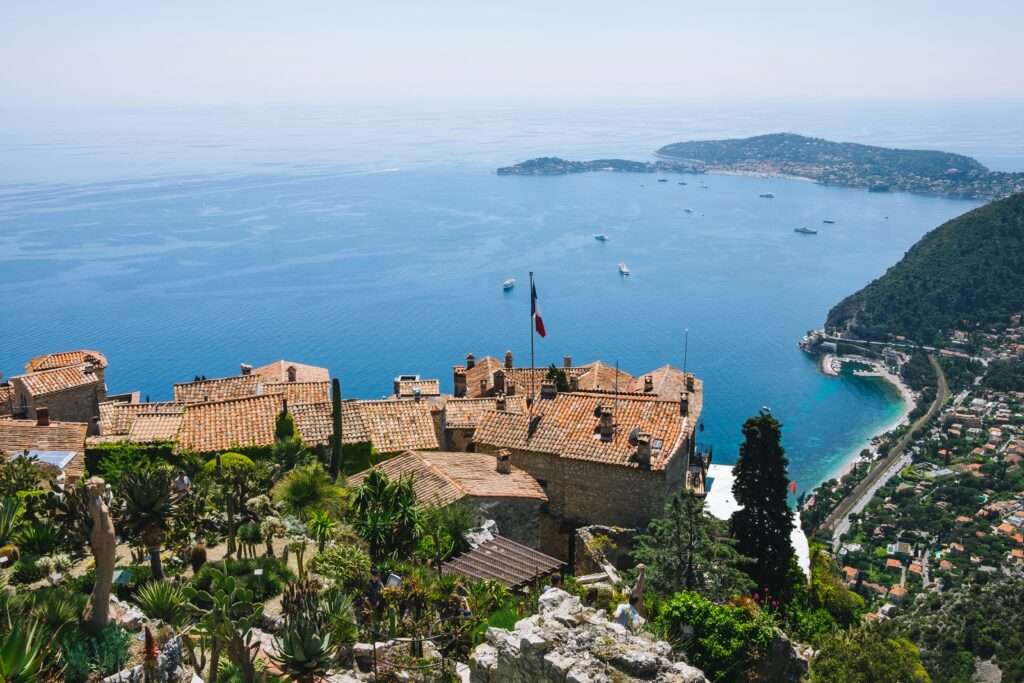
Picture this: windows down, sea breeze in your hair, and the Mediterranean gleaming the most magnificent blue, as you cruise along the Côte d’Azur. This South of France road trip from Marseille to Nice, with a jewel in the crown visit to Monaco, is honestly one of those trips that looks good on paper but has to be experienced for its majesty to be truly appreciated. Short driving distances, dramatic coastal scenery, lively cities balanced with tranquil stopovers – it’s ideal if you want variety without spending hours stuck behind the wheel. You can smash it out in 5–7 days comfortably, or easily extend if you’re the type who likes slow mornings and unplanned detours. Overview of the Route & Driving Distances This Marseille to Nice itinerary hugs the Mediterranean coastline, keeping driving distances short and scenery to die for. From Marseille, it’s just 45 minutes to Cassis, then a two-hour cruise along the coast to Cannes. From there, Nice is only 45 minutes away, and Monaco sits just 30 minutes beyond that. The beauty of this road trip? You’re never far from the sea – and never too far from your next stop. Pick up your car in Marseille, drop it off in Nice, and avoid any unnecessary backtracking. How to Get There Flying to Marseille Marseille Provence Airport (MRS) is well-connected to major European cities, and getting into the city centre is straightforward. You can take the train to Marseille St-Charles station for €5.20 (takes about 25 minutes), hop on the airport shuttle bus for €10 (30 minutes), or grab a taxi or Uber for €50-70 if you can’t be bothered with public transport. Flying to Nice If you’re doing the route in reverse or just flying in and out of Nice, the airport is even closer to the city. Bus 98 will get you to the centre for €6 in about 30 minutes, or a taxi/Uber runs €35-45 and takes around 20 minutes. Driving from the UK Fancy the ultimate road trip? You can drive through France from Calais to Marseille in about 11 hours. I’d recommend breaking it up with a night in Lyon – the food alone is worth the stop. This road trip is actually on our list for 2026. How to Get Around Sorting Your Car Hire This is a road trip, so you’ll definitely want wheels. Book in advance (like, at least 2-3 months if you’re travelling in summer) and make sure you confirm a few things: that you can pick up in Marseille and drop off in Nice (one-way rentals usually cost a bit extra), and that you’ve got full insurance because those coastal roads can be narrow and the parking spaces even tighter. I always use Discover Cars or Rentalcars to compare prices – you can usually find something decent from €40-80/day depending on the season and car type. If you’re a solo traveler or just the two of you, then a small hatchback is ideal, and all you really need in this part of the world. Afterall, France is famous for its cute small French cars, so you can really get into the spirit of it! The Parking Situation Let’s talk about parking because it’s honestly one of those things that can make or break your day. In Marseille, the Vieux Port car parks will cost you about €20-25 for the day. Cassis has Parking Les Gorguettes for around €15/day, but get there early in summer – it fills up by 10am, no joke, but as a get out of jail, there are public parking bays dotted around the town as there are ein most of the places you will visit (thats where the small car benefits). In Cannes, try Parking Pantiero near the old town, and in Nice, Parking Sulzer is central and won’t completely empty your wallet. Once you’ve parked up in each city, you honestly won’t need your car again until you leave. Everything’s walkable or a short tram ride away. Getting Around Without the Car Public transport in these cities is brilliant. A single metro or tram journey in Marseille costs €1.80, Nice trams are €1.70, and if you’re bussing it between Nice and Monaco, you’re looking at just €1.50. Honestly, once you’re parked, forget about the car and embrace the trams. Best Time to Visit The South of France is glorious pretty much year-round, but timing absolutely matters if you want to avoid the chaos (or embrace it, if that’s your thing). May to June is honestly perfect. You’ll get gorgeous weather sitting around 20-25°C, fewer tourists clogging up the viewpoints, and everything’s open and ready for the season. This is when I’d go if I had the choice. July and August are peak season for a reason – it’s hot (we’re talking 28-32°C), it’s busy, and it’s pricey. Beautiful? Absolutely. But you’ll be booking months in advance and sharing every beach towel-sized patch of sand with approximately 47 other people. September through October is the secret weapon. The weather’s still gorgeous (22-26°C), the sea is actually at its warmest, and all the summer crowds have buggered off back to work. Plus, it’s wine harvest season, which is just a bonus really. November to April is the quiet season. It’s cooler (10-18°C), some beach clubs will be closed, and you might get a bit of rain. But if you’re here for the hiking and don’t mind a jacket, it’s peaceful and the Calanques are way more pleasant to hike when you’re not melting. Marseille: Where to Stop & What to See Your journey kicks off in Marseille, a city that feels raw, lived-in, and full of character. The best way to describe it, is that it feels unpolished, far from the pretty Provence you see on Instagram which can actually feel a little intimidating at first – it’s grittier, more real, but honestly once you have got your bearings, way more interesting because of it. It’s the authentic side of the South of
5 Days in Palermo: A Complete Guide to Sicily’s Vibrant Capital
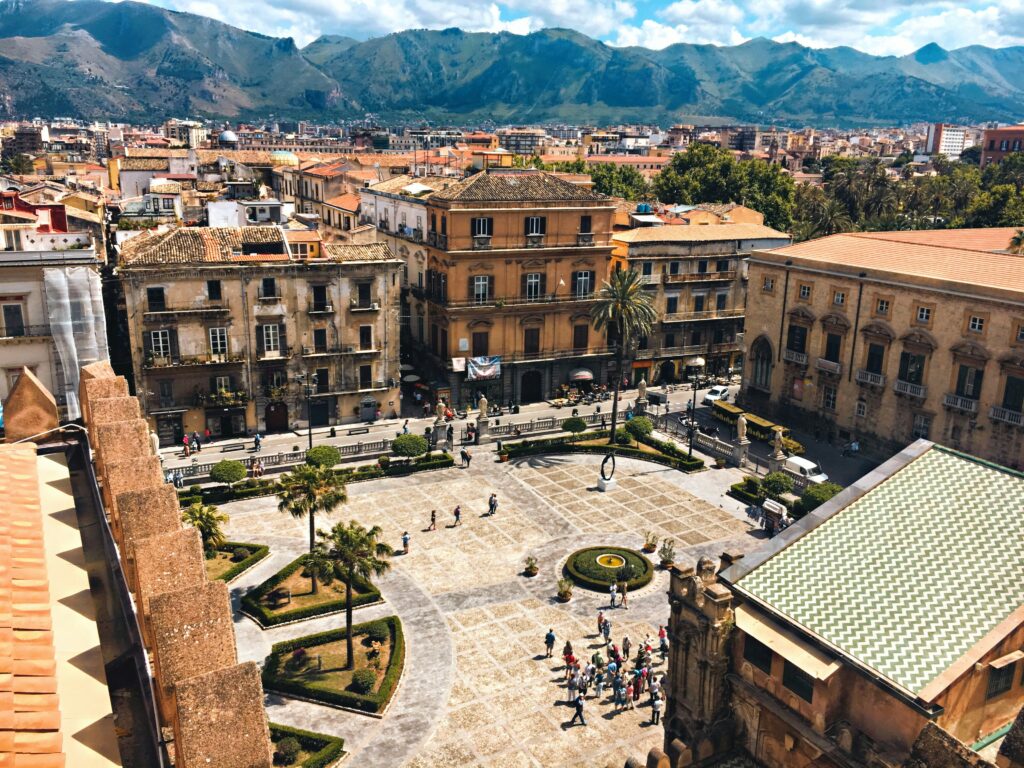
Palermo isn’t just Sicily’s capital – it’s a living, breathing tapestry of cultures that have shaped this island for millennia. After spending five incredible days exploring its chaotic streets, bustling markets, and hidden gems, I can confidently say this city will capture your heart and challenge your senses in the best possible way. Getting There and Settled Flying into Palermo Falcone Borsellino Airport couldn’t be more straightforward. The airport sits about 35 kilometres from the city centre, and getting into town is refreshingly simple. The Prestia e Comandè bus runs regularly throughout the day, taking roughly 50 minutes to reach the central station area. Tickets cost around €6 and can be purchased directly from the driver or at the airport desk. Alternatively, taxis are readily available, though expect to pay around €35-45 depending on traffic and your exact destination. Where to Stay: Stepping Back in Time We were incredibly fortunate to stay in the historic centre in a building that quite literally breathed history – over 1,000 years of it. Walking through those ancient wooden doors, originally designed for horses to enter the central courtyard, felt like stepping directly into medieval Palermo. The thick stone walls and traditional Sicilian architecture provided the perfect backdrop for our adventure, whilst keeping us right in the heart of the action. The location proved absolutely perfect. Within a five-minute walk, we were surrounded by some of Palermo’s most atmospheric bars and restaurants, yet the building’s historic walls provided a peaceful retreat from the city’s vibrant street life. Our host deserves special mention – they transformed our stay from good to extraordinary. Armed with insider knowledge and genuine enthusiasm for their city, they provided us with a local’s perspective that no guidebook could match. From recommending hole-in-the-wall trattorias to sharing the best times to visit markets, their advice proved invaluable throughout our stay. The Heart of Palermo: Its Incredible Markets Mercato del Capo Starting with perhaps the most authentic of Palermo’s markets, Mercato del Capo winds through narrow streets in the historic centre like a living organism. This isn’t a market designed for tourists – it’s where locals do their daily shopping, and that authenticity shows in every interaction. The vegetable stalls burst with seasonal produce: blood oranges so sweet they taste like dessert, fennel bulbs the size of your head, and tomatoes that put anything you’ve tasted elsewhere to shame. The vendors here are characters in their own right – expect theatrical displays of their wares, passionate discussions about the best cooking methods, and the occasional free sample if you show genuine interest. Don’t miss the meat section, where whole animals hang alongside more familiar cuts, and skilled butchers work with precision that borders on artistry. The fish stalls offer the day’s catch from the Tyrrhenian Sea, with vendors happy to explain the best preparation methods for unfamiliar species. Mercato della Vucciria Once Palermo’s most famous market, Vucciria has evolved into something quite different from its historical heyday. During the day, it maintains its traditional market atmosphere with fruit and vegetable stalls, but come evening, it transforms into a buzzing nightlife district. The daytime market focuses heavily on street food – this is where you’ll find some of the city’s best arancini, those glorious stuffed rice balls that come in countless varieties. Try the classic ragù version, but don’t leave without sampling the spinach and mozzarella or the surprising but delicious pistachio variations. The evening transformation is worth experiencing. As the traditional vendors pack up, bars and street food stalls take over, creating an atmospheric open-air dining experience that feels uniquely Palermitan. Mercato di Ballarò Arguably the most vibrant of Palermo’s markets, Ballarò stretches through several streets and feels more like a festival than a shopping experience. The energy here is infectious – vendors call out their wares in a mixture of Italian, Sicilian dialect, and theatrical gestures that transcend language barriers. This is the place for serious food exploration. The prepared food stalls offer incredible variety: sfincione (Sicilian pizza) topped with tomatoes, onions, and anchovies; panelle (chickpea fritters) served in crusty bread; and cazzilli (potato croquettes) that make perfect street snacks. The spice stalls here are particularly impressive, offering everything from local Sicilian oregano to North African ras el hanout, reflecting the island’s complex cultural history. Many vendors are happy to explain the origins and uses of unfamiliar spices, making it an educational experience as well as a sensory one. Mercato delle Pulci (Flea Market) For a completely different market experience, the weekend flea market near Palazzo Reale offers treasure hunting of a different sort. Antique dealers spread their wares across cobblestones, offering everything from vintage postcards of Sicily to genuine antique ceramics. This market requires patience and a good eye – genuine treasures hide amongst tourist tat, but that’s part of the fun. Even if you don’t buy anything, it’s fascinating to see the eclectic mix of items that reflect Palermo’s layered history. Day Trip to Cefalù: Coastal Beauty Within Reach One of our most rewarding experiences was a day trip to Cefalù, the stunning coastal town that sits about an hour away by train. The journey itself proves half the fun – regional trains depart regularly from Palermo Centrale, and the route hugs the spectacular Sicilian coast for much of the journey. Tickets cost around €5 each way and can be purchased at the station. The trains are comfortable and reliable, though they maintain a relaxed Sicilian pace that’s part of the charm rather than a frustration. Book your seats in advance during peak season, but outside summer months, you can usually just turn up and travel. The coastal views during the journey are spectacular, offering glimpses of small fishing villages, dramatic cliffs, and endless Mediterranean blue. Keep your camera ready – the stretch between Palermo and Cefalù provides some of the most photogenic coastline in Sicily. Cefalù itself deserves its own detailed exploration (which we’ll cover in our next post), but as a day trip destination, it offers the
The Perfect Long Weekend in Cornwall: Coastal Walks, Fresh Seafood, and the Perfect Fowey Base
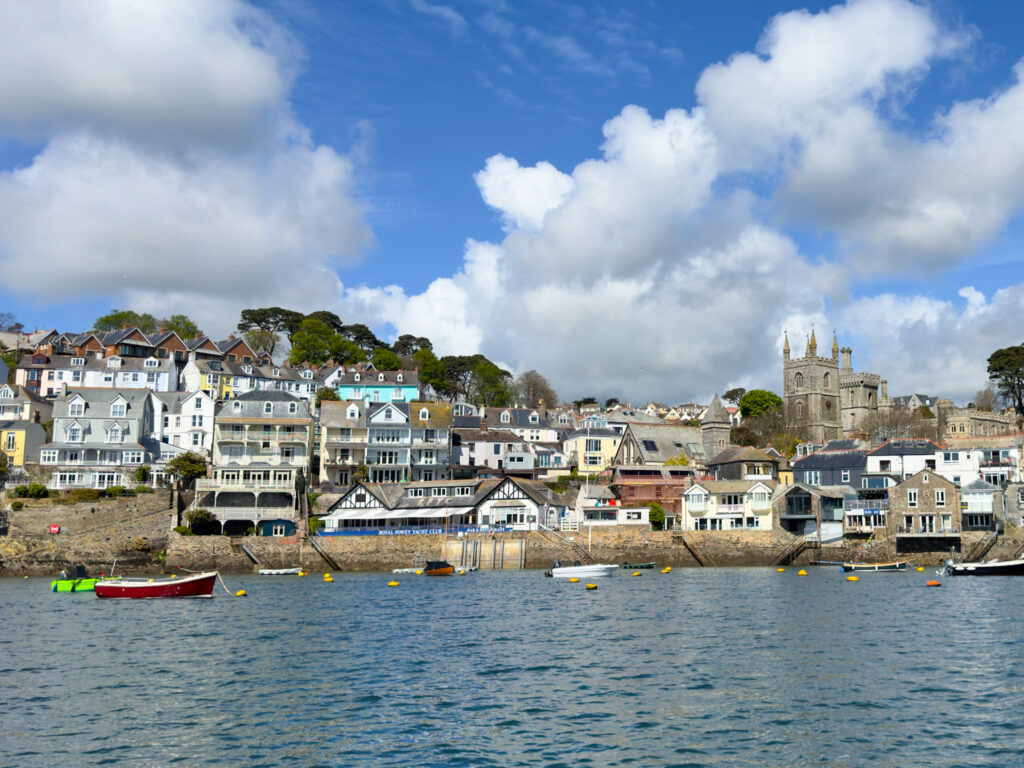
There’s something about Cornwall that gets under your skin. Maybe it’s the dramatic coastline where cliffs plunge into turquoise water. Maybe it’s the fishing villages that look like they haven’t changed in centuries. Or maybe it’s simply the way the light hits the sea on a clear afternoon, turning everything golden and impossibly beautiful. We spent a long weekend in Cornwall with Fowey as our base, and it reminded us exactly why this corner of England pulls people back time and again. This is our complete guide – from the drive down from London to the coastal walks that took our breath away, with a day trip to Padstow thrown in for good measure. The Drive from London to Fowey Let’s start with the practical bit: getting there. From London to Fowey is roughly 260 miles, which translates to about 5 hours driving in good traffic. The reality? Allow 5-6 hours, especially if you’re travelling on a Friday afternoon or during school holidays. There are two main routes from London to Cornwall, and we’ve tried both: Route 1: M4 → M5 → A30 (via motorways) This is the route most sat navs will suggest. Take the M4 west, join the M5 at Bristol, then pick up the A30 at Exeter. It’s slightly longer in miles (around 280 miles) but entirely on motorway until you hit the A30 in Devon. The advantage is predictability – motorways mean you can maintain speed and estimate arrival times fairly accurately. The disadvantage is monotony. It’s motorway driving for hours. Route 2: M3 → A303 → A30 (the scenic route) This is our preferred option. The M3 from London leads onto the A303, which weaves through Wiltshire and Somerset before joining the A30 in Devon. It’s slightly shorter (around 260 miles) and considerably more interesting. Yes, parts of the A303 are single carriageway where you might get stuck behind a tractor or lorry. But you drive right past Stonehenge (you can see it from the road), through rolling countryside, and the journey feels like part of the holiday rather than just the commute to it. The A30 continues as dual carriageway through most of Devon and Cornwall now, making the final stretch into Fowey relatively straightforward. Once you leave the A30 at the appropriate junction, it’s about 15-20 minutes of smaller roads through lovely Cornish countryside before you reach Fowey. Top tip: Set off early if you can. Leaving London by 6-7am means you’ll miss the worst traffic and arrive in Fowey with most of the afternoon ahead of you. Pack snacks for the car – service stations exist but aren’t frequent once you’re past Exeter. Parking in Fowey: The town has several car parks. We used Caffa Mill Car Park near the Bodinnick Ferry, which costs around £7-9 for the day. Fowey’s streets are narrow and winding – trust us, you’ll want to park and explore on foot. Why Fowey Makes the Perfect Base Fowey (pronounced “foy” to rhyme with “joy” – yes, we got it wrong initially too) sits on the south Cornish coast where the River Fowey meets the sea. It’s small enough to feel like a proper Cornish fishing village, but large enough to have excellent restaurants, good accommodation, and proper facilities. The town cascades down steep streets toward a working harbour where fishing boats moor alongside sailing yachts. Ice-cream-coloured cottages line narrow lanes. Independent shops sell everything from Daphne du Maurier novels (more on her later) to proper Cornish pasties. And the ferry across to Polruan runs every 15 minutes, opening up walks on both sides of the estuary. What makes Fowey special as a base is location. You’re on the South West Coast Path, one of Britain’s most spectacular long-distance trails. Dramatic coastal walks extend in both directions. The town itself is charming enough for lazy afternoons. And you’re within an hour’s drive of most of South Cornwall’s highlights, making day trips perfectly feasible. Why Cornwall is Perfect for Dogs (And Alan’s First Holiday) We brought our mini Dachshund Alan to Fowey when he was just six months old for his very first holiday, and honestly, we couldn’t have chosen a better destination for his introduction to travel. Cornwall has a well-deserved reputation as one of the UK’s most dog-friendly regions, and Fowey exemplified exactly why. Alan had an absolute ball. From the moment we arrived, he was in puppy heaven – new smells, exciting walks, beaches to explore, and plenty of other four-legged friends to socialise with along the coastal paths. Dog-Friendly Beaches Around Fowey Cornwall has over 330 beaches along 250 miles of coastline, and the vast majority welcome dogs. Around Fowey specifically, you have excellent options: Year-round dog-friendly beaches: Polridmouth Cove: Just a couple of hours’ walk from Fowey, this sheltered spot allows dogs all year. At low tide you get two distinct beaches. It’s rarely crowded, and the walk through wooded farm tracks makes it feel like an adventure. Alan loved exploring the rock pools here. Par Sands: About 10 minutes from Fowey with a pay-and-display car park. Popular with dog walkers, and watching Alan charging across the sand, digging holes, and diving into the waves was pure joy. Lantic Bay: Between Fowey and Polperro, this stunning National Trust beach is accessible via the Hall Walk. The half-hour trek from the car park means it stays relatively quiet. The turquoise water and white sand made Alan’s first beach experience genuinely spectacular. Coombe Haven: Within 15 minutes’ walk from Fowey, accessible all year for dogs. Seasonal restrictions (no dogs Easter to 1st October): Readymoney Cove: Just 5 minutes from the beach car park, 20 minutes from Fowey town centre Polkerris Beach: 5 minutes from the car park with a dog-friendly pub Whitehouse Beach: 10 minutes from Fowey car park (only accessible at low tide) The seasonal restrictions are manageable – there are so many year-round beaches that you’ll never struggle to find somewhere for your dog to run. And even the restricted beaches welcome dogs
Covent Garden Neighbourhood Guide: A Local’s Perspective on Central London’s Theatre District
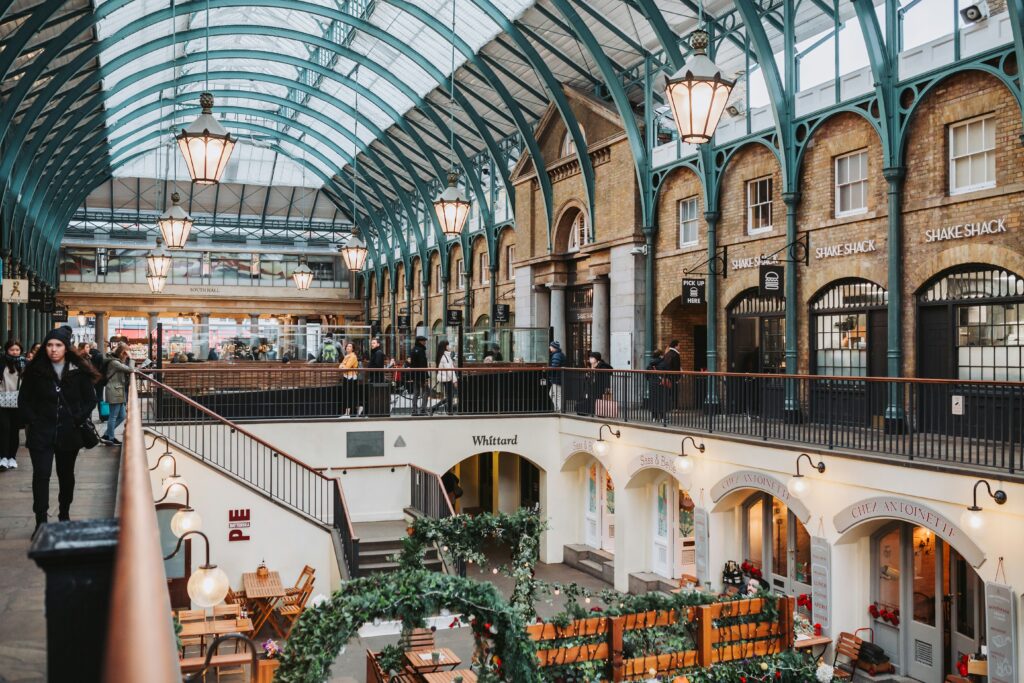
Covent Garden is probably the most tourist-dense square mile in London, and I say that as someone who genuinely likes it here. Yes, the piazza is packed with people taking photos of street performers. Yes, the Apple Store has a queue at 10am on a Tuesday. Yes, you’ll hear more American and European accents than London ones. But beneath all that, there’s a reason this area has been a gathering place for centuries. I’ve been navigating Covent Garden for years – sometimes for theatre trips, sometimes for specific shops, sometimes just because I’m meeting someone nearby and arrive early. What I’ve learned is this: Covent Garden rewards those who look beyond the obvious. The side streets are where the real neighbourhood lives. The early mornings and late evenings are when it breathes normally. And if you know where you’re going, you can have an excellent day here without fighting through crowds or spending a fortune. This isn’t a guide to the Apple Store and tourist restaurants. It’s the Covent Garden I’ve pieced together through countless visits – the cafés worth the price, the streets to wander, the shops that justify the trip, and how to actually enjoy one of London’s busiest areas. Getting to Covent Garden By Tube: Covent Garden (Piccadilly line) – Right in the centre but often rammed. Lifts only, no escalators or stairs, and they’re frequently broken. Exit queues can be 15+ minutes on busy days. Leicester Square (Piccadilly, Northern lines) – 5 minute walk, better connected, easier to get in and out Holborn (Piccadilly, Central lines) – 8 minute walk, far less crowded, good option Charing Cross (Bakerloo, Northern lines, National Rail) – 8 minute walk via Strand Best approach: Unless you’re already on the Piccadilly line, use Leicester Square or Holborn. You’ll save time and stress. By Bus: Routes 9, 13, 15, 23, 139, and many others serve the area. The 9 is particularly useful (Aldwych stop) if you’re coming from West London. Walking from nearby areas: 10 minutes from Trafalgar Square 10 minutes from Soho 15 minutes from Embankment (along Strand) 15 minutes from British Museum (via Bloomsbury streets) Reality check: Covent Garden station itself is often not worth the hassle. Walk from Leicester Square or Holborn instead. When to Visit Covent Garden Weekday mornings (8-10am): The neighbourhood before it wakes up properly. Cafés are open, shops are opening, street performers haven’t started yet. You can actually walk through the piazza without dodging crowds. Weekday afternoons (2-5pm): Busy but manageable. Lunchtime office workers have gone, evening theatre crowds haven’t arrived yet. Early evenings (5-7pm): Theatre district energy. People heading to shows, restaurants filling up, street performers working the crowds. Busy but with purpose rather than aimless tourist wandering. Avoid: Saturday afternoons (absolutely rammed), Sunday mornings (every tourist in London descends), December (Christmas market chaos), any time school holidays align with good weather. Best kept secret: Very early weekend mornings (8-9am) before the crowds arrive. The area is actually peaceful, you get your pick of cafés, and you remember it’s a proper neighbourhood, not just a tourist attraction. The Covent Garden Piazza: What You Need to Know The central market building is what everyone comes to see. Built in the 1830s, it’s now home to shops, cafés, and the Apple Store that seems to be perpetually busy. The Market Itself Apple Market (inside the main building): Daily, 10am-6pm. Antiques on Mondays, arts and crafts Tuesday-Sunday. Quality varies dramatically. Some genuinely talented makers sell here, but there’s also a lot of overpriced tourist tat. Jubilee Market (south side): Antiques on Mondays, general market Tuesday-Friday, arts and crafts on weekends. More touristy than the Apple Market, lower prices, lower quality. Worth visiting? Once, to see the building and atmosphere. Don’t expect to find treasures unless you’re very lucky or very knowledgeable. Street Performers The piazza has licensed buskers – acrobats, musicians, living statues, magicians. They’re often quite talented (there’s an audition process), and they work hard for tips. Etiquette: If you stop to watch a full act, tip. If you’re just passing through, keep moving rather than blocking views. Best performers: Usually late afternoon and early evening. Weekend performers tend to be more elaborate (brings bigger crowds = more tips). Where to Eat in Covent Garden This area is expensive and full of chain restaurants targeting tourists. But there are places worth your money. The Ivy Market Grill (1 Henrietta Street) Brasserie from the Ivy collection. Breakfast through dinner, all-day dining, classic British/European menu. Why it works: Reliable quality, beautiful interior, manages to feel special without being stuffy Good for: Pre-theatre dinner, weekend breakfast, reliable meal Price: £25-40 per person Booking: Essential for dinner, walk-ins possible at off-peak times Dishoom (12 Upper St Martin’s Lane) Bombay café-inspired restaurant. The Covent Garden branch is huge, beautiful, and surprisingly maintains quality despite the volume. Order: Bacon naan roll for breakfast, black daal and naan for dinner, any of the grilled items Best time: Breakfast (9-11am) has shorter waits, or book ahead for dinner Price: £20-30 per person Reality check: There’s usually a queue. It’s worth it, but factor in 20-30 minutes wait time. Frenchie (16 Henrietta Street) Covent Garden outpost of the Paris restaurant. Small plates, French technique, excellent wine list. Good for: Special dinner, wine lovers, when you want something beyond chains Atmosphere: Buzzy, informal fine dining Price: £45-60 per person Booking: Required Balthazar (4-6 Russell Street) French brasserie modelled on the New York original. Large, grand, all-day menu. Why people like it: Reliable, impressive room, good for groups, handles dietary requirements well Good for: Pre-theatre dinner (they know theatre schedules), weekend brunch Price: £30-45 per person Booking: Recommended Rules (35 Maiden Lane) London’s oldest restaurant, established 1798. Traditional British food, old-school atmosphere, walls covered in art and theatre memorabilia. Best for: If you want “historic London” dining experience, game season (grouse, venison, pheasant), pre-theatre Price: £50-70 per person Character: Very British, quite formal, charming if you’re into that Booking: Essential The Delaunay (55 Aldwych) Viennese-style café
The Romantic Road In Germany: Castles, Medieval Towns & Bavarian Countryside
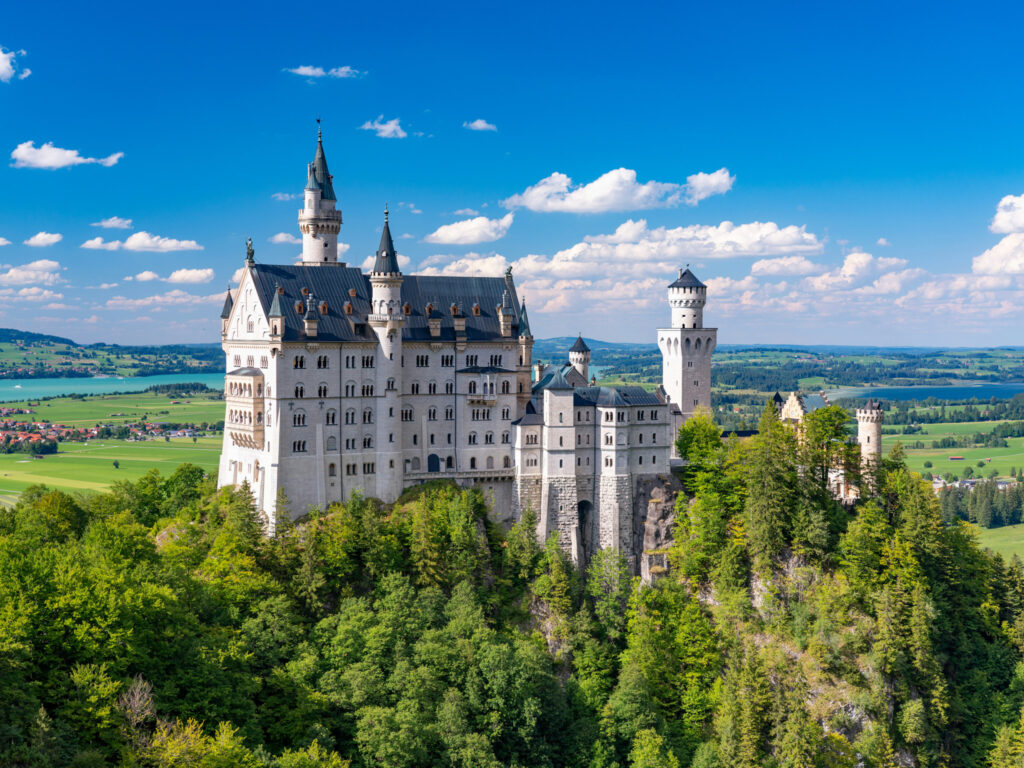
The Romantic Road (Romantische Straße) is Germany’s most famous scenic route, and for good reason. This 400km journey through Bavaria takes you past fairy-tale castles, perfectly preserved medieval towns, baroque palaces, rolling vineyards, and eventually into the dramatic foothills of the Alps. It’s a route that rewards slow travel – lingering in cobbled squares, walking ancient town walls, discovering hidden churches, and watching the landscape shift from Franconian wine country to Alpine peaks. Whether you’re driving, cycling, or taking the train, the Romantic Road offers some of the most beautiful and romantic scenery in southern Germany. This guide covers the route’s highlights, the best castles and towns to visit, what makes the countryside so special, and how to experience it all at your own pace. What Is the Romantic Road? The Romantic Road runs approximately 400km from Würzburg in northern Bavaria to Füssen in the south, passing through Franconia and Upper Bavaria. Created as a designated tourist route in the 1950s, it links some of Germany’s most beautiful medieval towns, baroque churches, and historic castles. The name ‘Romantische Straße’ refers to the medieval, romantic-era character of the towns along the route rather than modern romance – though the scenery certainly inspires that too. As you travel south, the landscape transforms from gentle vineyard-covered hills around Würzburg to the dramatic mountain backdrop of Füssen and the Alps. The route is dotted with around 28 official stops, though you don’t need to visit them all. The real magic is in selecting the towns and castles that appeal most to you and taking time to explore them thoroughly rather than rushing through. The Northern Section: Würzburg to Rothenburg Würzburg: Baroque Splendour & Wine Culture The Romantic Road begins in Würzburg, a beautiful baroque city on the Main River surrounded by vineyard-covered hills. This is proper wine country, and the city has a sophistication and energy that sets it apart from the smaller towns further south. The Würzburg Residenz is the star attraction – a UNESCO World Heritage palace that ranks among Europe’s finest baroque buildings. The grand staircase, designed by Balthasar Neumann, is topped by the world’s largest ceiling fresco, painted by Giovanni Battista Tiepolo. The Court Garden behind the palace is equally impressive, with manicured lawns, fountains, and sculptures. Walk across the Old Main Bridge for views over the river and the Marienberg Fortress on the hill above. The bridge is lined with statues of saints and is a favourite spot for locals to gather with wine from the surrounding vineyards. Marienberg Fortress sits on a hill overlooking the city. You can walk up (steep but rewarding) or take a bus. The fortress itself houses museums, but the real draw is the panoramic view over Würzburg’s terracotta rooftops, the river, and the vineyards beyond. The countryside around Würzburg is characterised by gentle hills covered in Franconian vineyards. If you’re driving, consider taking a detour through the wine villages – places like Sommerhausen and Ochsenfurt are beautiful and far less touristy. Weikersheim Palace About 40km south of Würzburg, Weikersheim Palace is often overlooked but absolutely worth visiting. This Renaissance palace has beautifully preserved interiors and one of Germany’s finest baroque gardens – a formal layout with geometric patterns, sculptures, and perfectly trimmed hedges that stretch out towards the Tauber Valley. The palace sits in a small, quiet town, so you can wander the gardens and halls without the crowds you’ll encounter at more famous stops. Röttingen & the Tauber Valley As you continue south, the route follows the Tauber River through a landscape of gentle hills, forests, and small farming villages. The valley is particularly beautiful in late spring when everything is green, and in autumn when the vines turn gold and red. Röttingen is a tiny walled town that most people drive straight past. If you have time, stop for half an hour – the medieval walls are intact, the streets are peaceful, and it feels refreshingly uncommercial. Creglingen: Herrgottskirche Just off the main route near Creglingen, the Herrgottskirche (Lord God’s Church) houses one of the masterpieces of medieval German art: Tilman Riemenschneider’s carved wooden altarpiece. The church itself is small and unassuming from the outside, but the altar inside – depicting the Assumption of Mary – is extraordinarily detailed and moving. It’s a quiet, contemplative stop that offers something different from the bustle of the larger towns. Rothenburg ob der Tauber: The Jewel of the Romantic Road Rothenburg is the Romantic Road’s most famous town, and it lives up to its reputation. This is the medieval Germany of imagination – a near-perfectly preserved walled town with towers, cobbled streets, half-timbered houses painted in warm colours, and market squares that look like film sets. The town sits on a plateau above the Tauber Valley, and the setting is as beautiful as the architecture. You can walk almost the entire circuit of the medieval walls – about 2.5km – with covered walkways, towers, and views over the valley and surrounding countryside. The Plönlein is Rothenburg’s most photographed corner – a Y-shaped junction where two streets meet, framed by half-timbered houses and towers. It’s impossibly picturesque, especially early in the morning before the crowds arrive. St. Jakob’s Church contains another Riemenschneider masterpiece – the Holy Blood Altar, an intricately carved altarpiece depicting the Last Supper. The town gets extremely busy between 10am and 4pm when day-trippers and tour groups arrive. If you can, stay overnight. The town empties out in the evening, and walking the quiet streets at dusk or dawn – when the light is soft and golden – is magical. The countryside around Rothenburg is rolling farmland and forest, with paths leading down into the Tauber Valley. If you have time, walk down to the Doppelbrücke (Double Bridge) – a short trail from the town that offers beautiful views back up towards Rothenburg’s walls and towers. The Central Section: Medieval Towns & Open Countryside Dinkelsbühl: Quieter Charm About 40km south of Rothenburg, Dinkelsbühl offers similar medieval beauty but with fewer crowds.