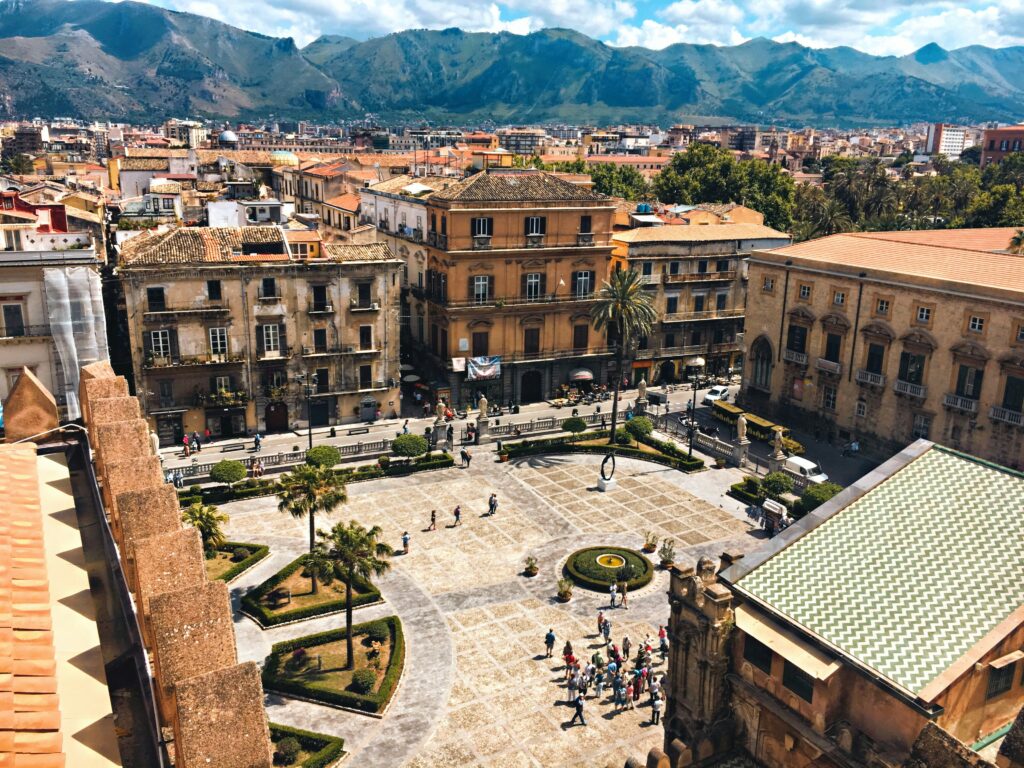
Palermo isn’t just Sicily’s capital – it’s a living, breathing tapestry of cultures that have shaped this island for millennia. After spending five incredible days exploring its chaotic streets, bustling markets, and hidden gems, I can confidently say this city will capture your heart and challenge your senses in the best possible way.
Getting There and Settled
Flying into Palermo Falcone Borsellino Airport couldn’t be more straightforward. The airport sits about 35 kilometres from the city centre, and getting into town is refreshingly simple. The Prestia e Comandè bus runs regularly throughout the day, taking roughly 50 minutes to reach the central station area. Tickets cost around €6 and can be purchased directly from the driver or at the airport desk. Alternatively, taxis are readily available, though expect to pay around €35-45 depending on traffic and your exact destination.
Where to Stay: Stepping Back in Time
We were incredibly fortunate to stay in the historic centre in a building that quite literally breathed history – over 1,000 years of it. Walking through those ancient wooden doors, originally designed for horses to enter the central courtyard, felt like stepping directly into medieval Palermo. The thick stone walls and traditional Sicilian architecture provided the perfect backdrop for our adventure, whilst keeping us right in the heart of the action.
The location proved absolutely perfect. Within a five-minute walk, we were surrounded by some of Palermo’s most atmospheric bars and restaurants, yet the building’s historic walls provided a peaceful retreat from the city’s vibrant street life.
Our host deserves special mention – they transformed our stay from good to extraordinary. Armed with insider knowledge and genuine enthusiasm for their city, they provided us with a local’s perspective that no guidebook could match. From recommending hole-in-the-wall trattorias to sharing the best times to visit markets, their advice proved invaluable throughout our stay.
The Heart of Palermo: Its Incredible Markets
Mercato del Capo
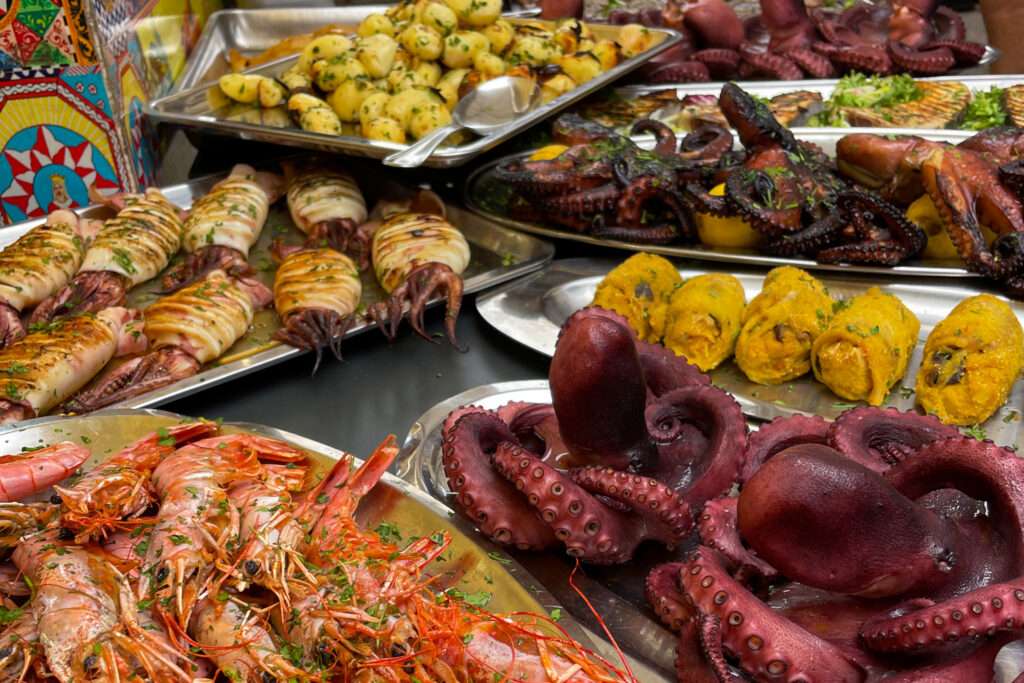
Starting with perhaps the most authentic of Palermo’s markets, Mercato del Capo winds through narrow streets in the historic centre like a living organism. This isn’t a market designed for tourists – it’s where locals do their daily shopping, and that authenticity shows in every interaction.
The vegetable stalls burst with seasonal produce: blood oranges so sweet they taste like dessert, fennel bulbs the size of your head, and tomatoes that put anything you’ve tasted elsewhere to shame. The vendors here are characters in their own right – expect theatrical displays of their wares, passionate discussions about the best cooking methods, and the occasional free sample if you show genuine interest.
Don’t miss the meat section, where whole animals hang alongside more familiar cuts, and skilled butchers work with precision that borders on artistry. The fish stalls offer the day’s catch from the Tyrrhenian Sea, with vendors happy to explain the best preparation methods for unfamiliar species.
Mercato della Vucciria
Once Palermo’s most famous market, Vucciria has evolved into something quite different from its historical heyday. During the day, it maintains its traditional market atmosphere with fruit and vegetable stalls, but come evening, it transforms into a buzzing nightlife district.
The daytime market focuses heavily on street food – this is where you’ll find some of the city’s best arancini, those glorious stuffed rice balls that come in countless varieties. Try the classic ragù version, but don’t leave without sampling the spinach and mozzarella or the surprising but delicious pistachio variations.
The evening transformation is worth experiencing. As the traditional vendors pack up, bars and street food stalls take over, creating an atmospheric open-air dining experience that feels uniquely Palermitan.
Mercato di Ballarò
Arguably the most vibrant of Palermo’s markets, Ballarò stretches through several streets and feels more like a festival than a shopping experience. The energy here is infectious – vendors call out their wares in a mixture of Italian, Sicilian dialect, and theatrical gestures that transcend language barriers.
This is the place for serious food exploration. The prepared food stalls offer incredible variety: sfincione (Sicilian pizza) topped with tomatoes, onions, and anchovies; panelle (chickpea fritters) served in crusty bread; and cazzilli (potato croquettes) that make perfect street snacks.
The spice stalls here are particularly impressive, offering everything from local Sicilian oregano to North African ras el hanout, reflecting the island’s complex cultural history. Many vendors are happy to explain the origins and uses of unfamiliar spices, making it an educational experience as well as a sensory one.
Mercato delle Pulci (Flea Market)
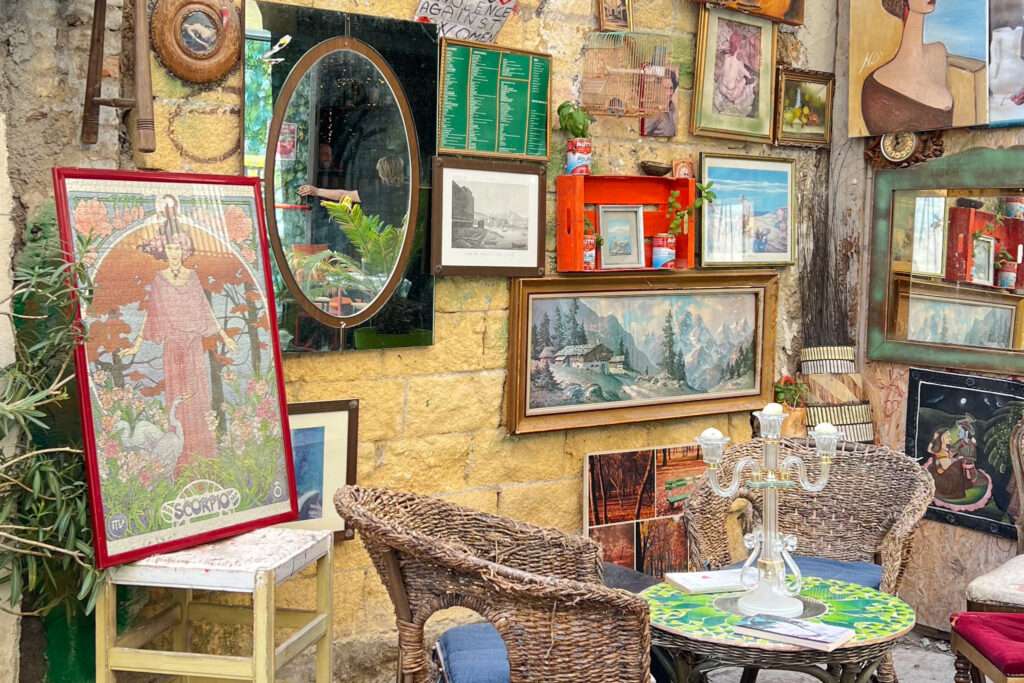
For a completely different market experience, the weekend flea market near Palazzo Reale offers treasure hunting of a different sort. Antique dealers spread their wares across cobblestones, offering everything from vintage postcards of Sicily to genuine antique ceramics.
This market requires patience and a good eye – genuine treasures hide amongst tourist tat, but that’s part of the fun. Even if you don’t buy anything, it’s fascinating to see the eclectic mix of items that reflect Palermo’s layered history.
Day Trip to Cefalù: Coastal Beauty Within Reach
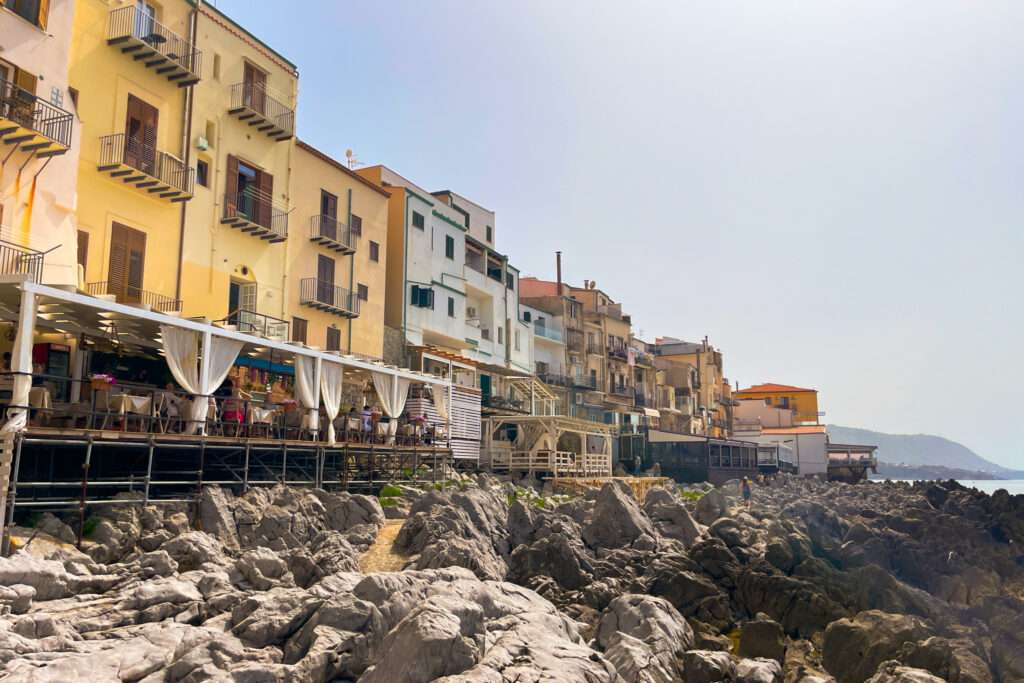
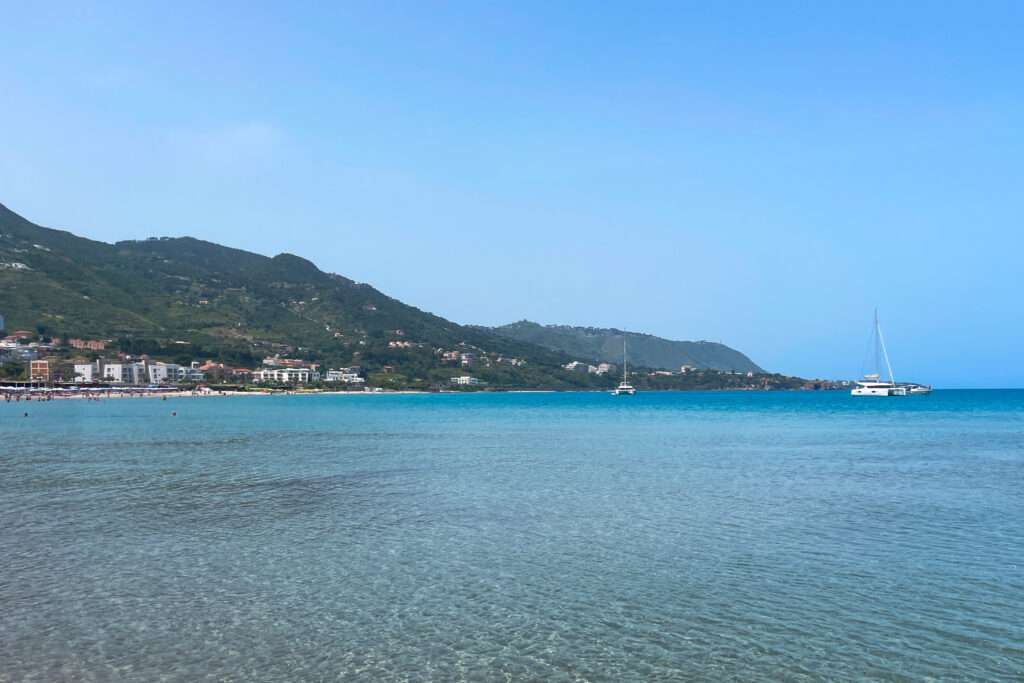
One of our most rewarding experiences was a day trip to Cefalù, the stunning coastal town that sits about an hour away by train. The journey itself proves half the fun – regional trains depart regularly from Palermo Centrale, and the route hugs the spectacular Sicilian coast for much of the journey.
Tickets cost around €5 each way and can be purchased at the station. The trains are comfortable and reliable, though they maintain a relaxed Sicilian pace that’s part of the charm rather than a frustration. Book your seats in advance during peak season, but outside summer months, you can usually just turn up and travel.
The coastal views during the journey are spectacular, offering glimpses of small fishing villages, dramatic cliffs, and endless Mediterranean blue. Keep your camera ready – the stretch between Palermo and Cefalù provides some of the most photogenic coastline in Sicily.
Cefalù itself deserves its own detailed exploration (which we’ll cover in our next post), but as a day trip destination, it offers the perfect contrast to Palermo’s urban intensity – historic charm meets pristine beaches in one beautifully compact package.
Food Culture: Beyond the Markets
Whilst the markets provide incredible insights into local food culture, Palermo’s restaurant scene deserves equal attention. Our host’s recommendations led us to neighbourhood trattorias where menus change daily based on market availability, and pasta is still made by hand in kitchens you can peer into from your table.
The aperitivo culture here rivals anything you’ll find in northern Italy. Local bars create elaborate spreads of small plates to accompany evening drinks – often included in the price of your beverage. This social ritual typically begins around 6 PM and continues until dinner time, providing perfect opportunities to meet locals and other travellers.
Street food remains king in Palermo. Beyond the markets, mobile vendors appear throughout the city selling everything from fresh coconut water to grilled corn. The city’s Arab influences show clearly in its sweets – try cannoli filled fresh to order, or seek out cassata, a ricotta-based dessert that showcases Sicily’s complex cultural heritage.
Practical Tips for Your Visit
The historic centre is compact enough to explore on foot, but comfortable walking shoes are essential – these ancient streets weren’t designed with modern comfort in mind. Many restaurants close between lunch and dinner (typically 3-7 PM), so plan accordingly.
Learning a few Italian phrases will enhance your experience enormously, particularly in the markets where vendors appreciate any effort to communicate in their language. However, Palermitans are generally patient and helpful with visitors who make an effort.
Cash remains king in many smaller establishments and markets, so ensure you have euros on hand. Most restaurants and larger shops accept cards, but market vendors and street food stalls often prefer cash transactions.
The Palermo Experience
Five days in Palermo feels both like a lifetime and a fleeting moment. The city reveals itself slowly – each neighbourhood has its own character, each market its own rhythm, and each meal its own story. This isn’t a destination you simply visit; it’s a place you experience with all your senses.
The beauty of Palermo lies not in any single monument or attraction, but in its living, breathing street life. It’s in the animated conversations between vendor and customer at morning markets, the leisurely pace of evening passeggiata, and the genuine warmth of locals who take pride in sharing their city with curious visitors.
Whether you’re drawn by the incredible food scene, the rich historical layers, or simply the intoxicating energy of southern Italian street life, Palermo delivers an authentic Mediterranean experience that feels increasingly rare in our homogenised world. Pack your appetite, bring your curiosity, and prepare for a city that will challenge and reward you in equal measure.