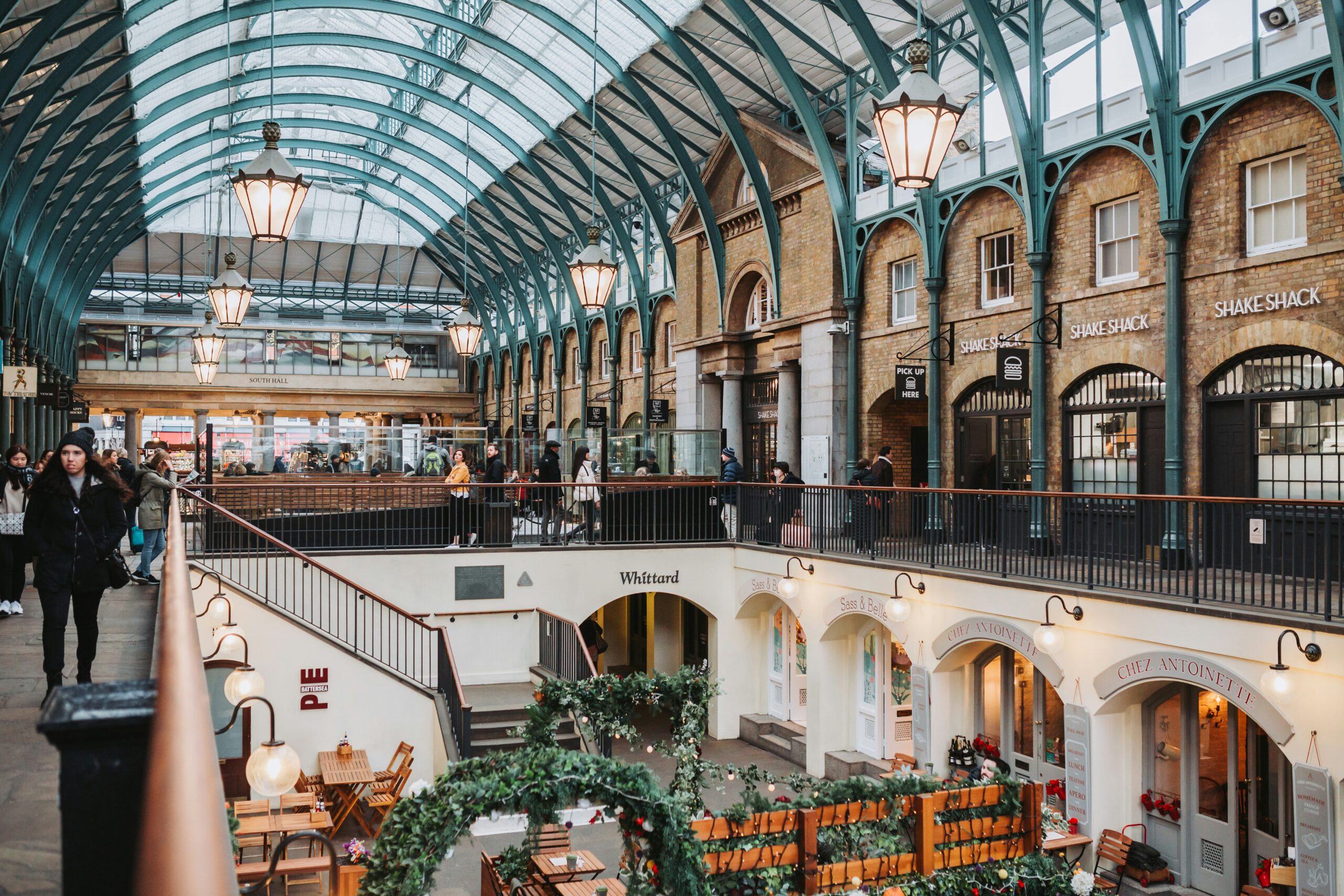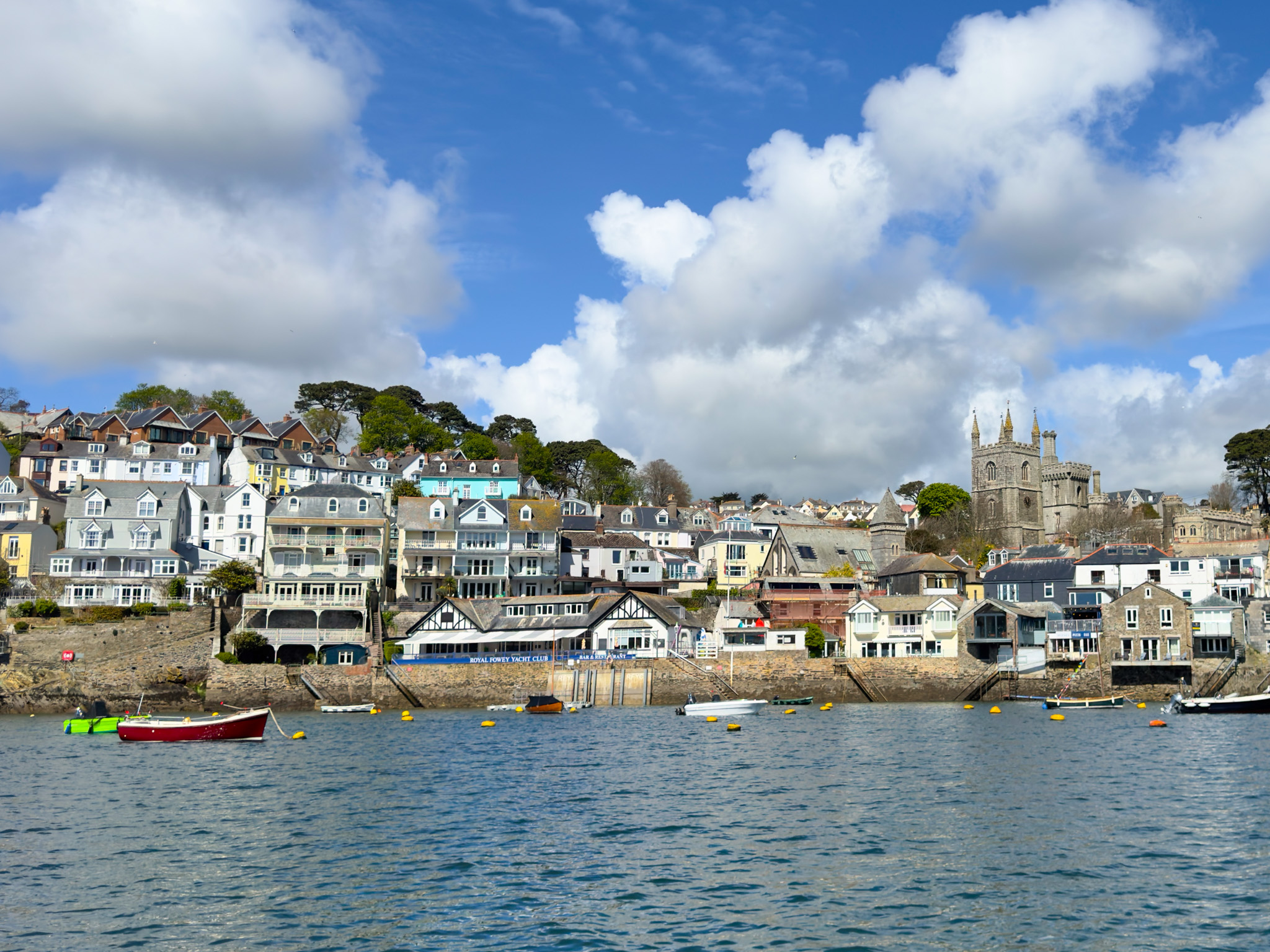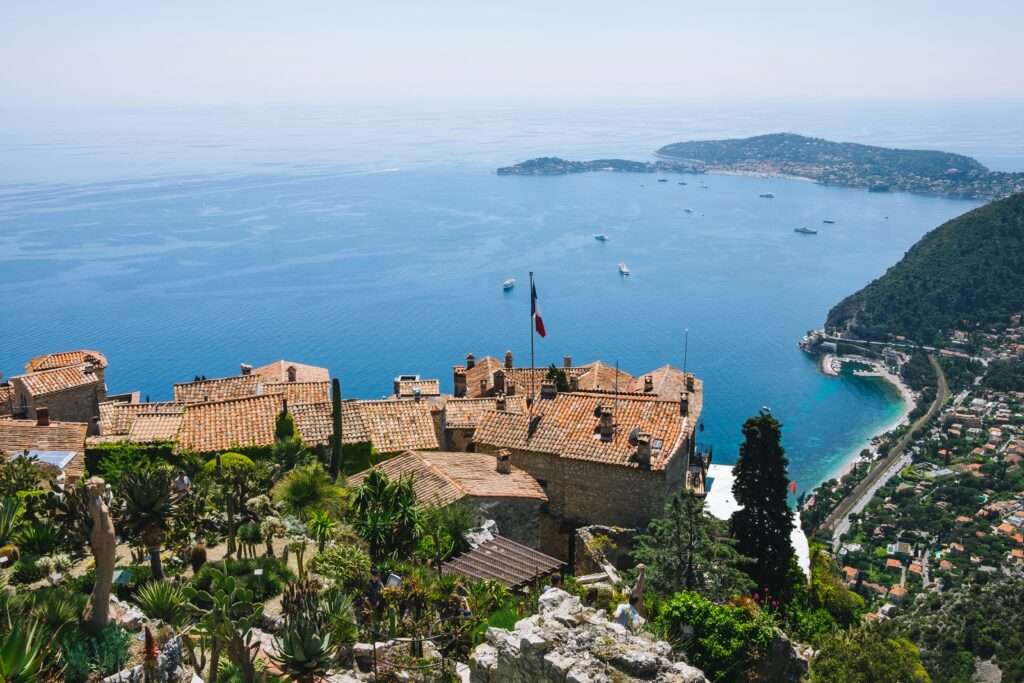
Picture this: windows down, sea breeze in your hair, and the Mediterranean gleaming the most magnificent blue, as you cruise along the Côte d’Azur. This South of France road trip from Marseille to Nice, with a jewel in the crown visit to Monaco, is honestly one of those trips that looks good on paper but has to be experienced for its majesty to be truly appreciated.
Short driving distances, dramatic coastal scenery, lively cities balanced with tranquil stopovers – it’s ideal if you want variety without spending hours stuck behind the wheel. You can smash it out in 5–7 days comfortably, or easily extend if you’re the type who likes slow mornings and unplanned detours.
Overview of the Route & Driving Distances
This Marseille to Nice itinerary hugs the Mediterranean coastline, keeping driving distances short and scenery to die for. From Marseille, it’s just 45 minutes to Cassis, then a two-hour cruise along the coast to Cannes. From there, Nice is only 45 minutes away, and Monaco sits just 30 minutes beyond that. The beauty of this road trip? You’re never far from the sea – and never too far from your next stop.
Pick up your car in Marseille, drop it off in Nice, and avoid any unnecessary backtracking.
How to Get There
Flying to Marseille
Marseille Provence Airport (MRS) is well-connected to major European cities, and getting into the city centre is straightforward. You can take the train to Marseille St-Charles station for €5.20 (takes about 25 minutes), hop on the airport shuttle bus for €10 (30 minutes), or grab a taxi or Uber for €50-70 if you can’t be bothered with public transport.
Flying to Nice
If you’re doing the route in reverse or just flying in and out of Nice, the airport is even closer to the city. Bus 98 will get you to the centre for €6 in about 30 minutes, or a taxi/Uber runs €35-45 and takes around 20 minutes.
Driving from the UK
Fancy the ultimate road trip? You can drive through France from Calais to Marseille in about 11 hours. I’d recommend breaking it up with a night in Lyon – the food alone is worth the stop. This road trip is actually on our list for 2026.
How to Get Around
Sorting Your Car Hire
This is a road trip, so you’ll definitely want wheels. Book in advance (like, at least 2-3 months if you’re travelling in summer) and make sure you confirm a few things: that you can pick up in Marseille and drop off in Nice (one-way rentals usually cost a bit extra), and that you’ve got full insurance because those coastal roads can be narrow and the parking spaces even tighter. I always use Discover Cars or Rentalcars to compare prices – you can usually find something decent from €40-80/day depending on the season and car type. If you’re a solo traveler or just the two of you, then a small hatchback is ideal, and all you really need in this part of the world. Afterall, France is famous for its cute small French cars, so you can really get into the spirit of it!
The Parking Situation
Let’s talk about parking because it’s honestly one of those things that can make or break your day. In Marseille, the Vieux Port car parks will cost you about €20-25 for the day. Cassis has Parking Les Gorguettes for around €15/day, but get there early in summer – it fills up by 10am, no joke, but as a get out of jail, there are public parking bays dotted around the town as there are ein most of the places you will visit (thats where the small car benefits). In Cannes, try Parking Pantiero near the old town, and in Nice, Parking Sulzer is central and won’t completely empty your wallet.
Once you’ve parked up in each city, you honestly won’t need your car again until you leave. Everything’s walkable or a short tram ride away.
Getting Around Without the Car
Public transport in these cities is brilliant. A single metro or tram journey in Marseille costs €1.80, Nice trams are €1.70, and if you’re bussing it between Nice and Monaco, you’re looking at just €1.50. Honestly, once you’re parked, forget about the car and embrace the trams.
Best Time to Visit
The South of France is glorious pretty much year-round, but timing absolutely matters if you want to avoid the chaos (or embrace it, if that’s your thing).
May to June is honestly perfect. You’ll get gorgeous weather sitting around 20-25°C, fewer tourists clogging up the viewpoints, and everything’s open and ready for the season. This is when I’d go if I had the choice.
July and August are peak season for a reason – it’s hot (we’re talking 28-32°C), it’s busy, and it’s pricey. Beautiful? Absolutely. But you’ll be booking months in advance and sharing every beach towel-sized patch of sand with approximately 47 other people.
September through October is the secret weapon. The weather’s still gorgeous (22-26°C), the sea is actually at its warmest, and all the summer crowds have buggered off back to work. Plus, it’s wine harvest season, which is just a bonus really.
November to April is the quiet season. It’s cooler (10-18°C), some beach clubs will be closed, and you might get a bit of rain. But if you’re here for the hiking and don’t mind a jacket, it’s peaceful and the Calanques are way more pleasant to hike when you’re not melting.
Marseille: Where to Stop & What to See
Your journey kicks off in Marseille, a city that feels raw, lived-in, and full of character. The best way to describe it, is that it feels unpolished, far from the pretty Provence you see on Instagram which can actually feel a little intimidating at first – it’s grittier, more real, but honestly once you have got your bearings, way more interesting because of it. It’s the authentic side of the South of France that you shouldn’t miss, because three are many delights to be had.
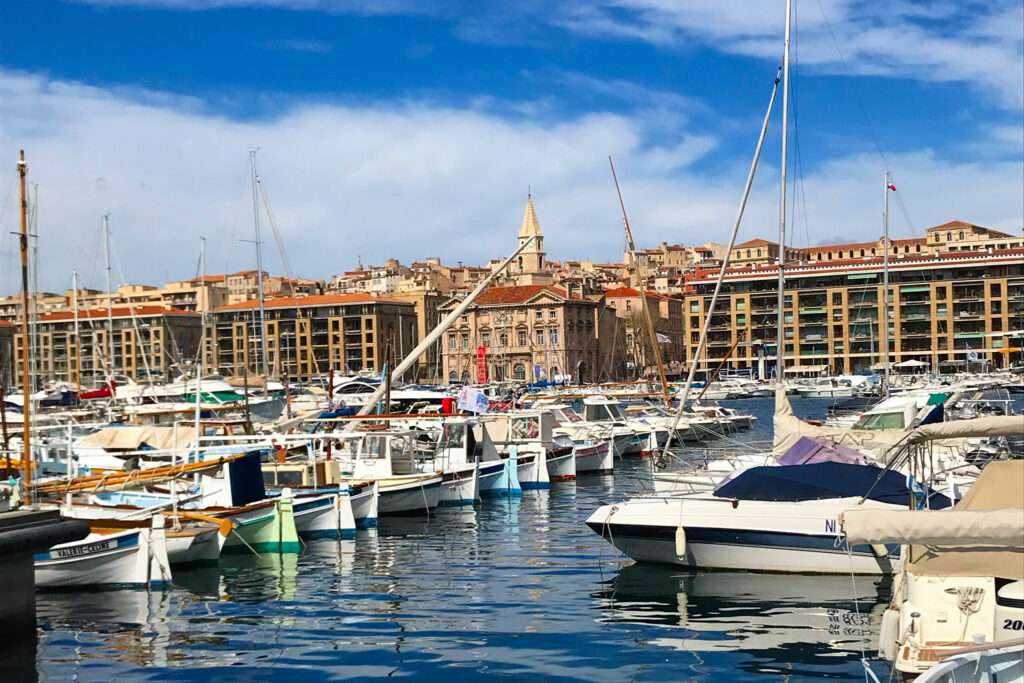
Start around the Vieux Port (Old Port), where boats bob alongside waterfront cafés and ferries shuttle people to and from the harbour. The energy here is electric – it’s Marseille’s beating heart, and you can feel it. From there, wander up into Le Panier, the oldest part of the city. Think narrow streets, sun-bleached shutters, vibrant street art splashed across ancient walls, and small squares where locals play pétanque under the afternoon sun. It’s the kind of neighbourhood where getting lost is genuinely half the fun.
Give yourself a morning to climb up to Notre-Dame de la Garde – the views over the city and out to the Mediterranean are absolutely worth the trek, and entry’s free. If you’re into museums, MuCEM (the Museum of European and Mediterranean Civilisations) is fascinating and costs €12. Or take a boat out to Château d’If for €16 – yes, like in The Count of Monte Cristo. And definitely spend some time browsing Noailles Market for spices, olives, and all manner of local produce. The colours, the smells, the energy – it’s brilliant.
Marseille isn’t polished or overly curated, and honestly, that’s part of what makes it so brilliant. Give yourself at least 1-2 full days here. You’ll need it.
The must-try: Bouillabaisse
Right, let’s talk about bouillabaisse because you absolutely cannot leave Marseille without trying it. This is where it was invented, and the real deal – proper fish stew, served in two courses with rouille and crusty bread – is genuinely a game-changer. Budget around €50-70 per person at a proper restaurant and book ahead. It’s not cheap, but it’s worth every euro.
Where to Stay in Marseille
The Vieux Port area is where most people base themselves, and for good reason – you’re walking distance to pretty much everything. Hotels here range from budget to luxury, though it can get a bit noisy with all the harbour action. If you want something with more character and slightly quieter vibes, Le Panier is brilliant – full of boutique hotels and guesthouses tucked into those narrow streets. For something more upscale and residential, the Prado neighbourhood near the beaches and Borley Park is lovely, though you’ll be a bit further from the tourist centre.
What to Eat in Marseille
Marseille’s food scene is absolutely brilliant – you’ve got traditional Provençal, North African influences (the couscous here is incredible), and obviously tons of fresh Mediterranean seafood.
Beyond bouillabaisse, make sure you try panisse (chickpea fritters sold as street food), navette biscuits (orange blossom-flavoured, a Marseille tradition since 1781), and obviously as much fresh seafood as you can manage, especially around Vieux Port.
Cassis & the Calanques
A quick 45-minute drive from Marseille brings you to Cassis, and the contrast couldn’t be more striking. Where Marseille buzzes with urban energy, Cassis is all about that slow, seaside calm.
This compact coastal town wraps around a harbour lined with pastel-painted buildings and waterfront restaurants serving fresh seafood. Honestly, it’s the kind of place where you can sit for hours with a glass of wine (Cassis white wine is famous, by the way), watching boats drift in and out, and feel like you’ve absolutely nailed the whole “South of France” vibe.
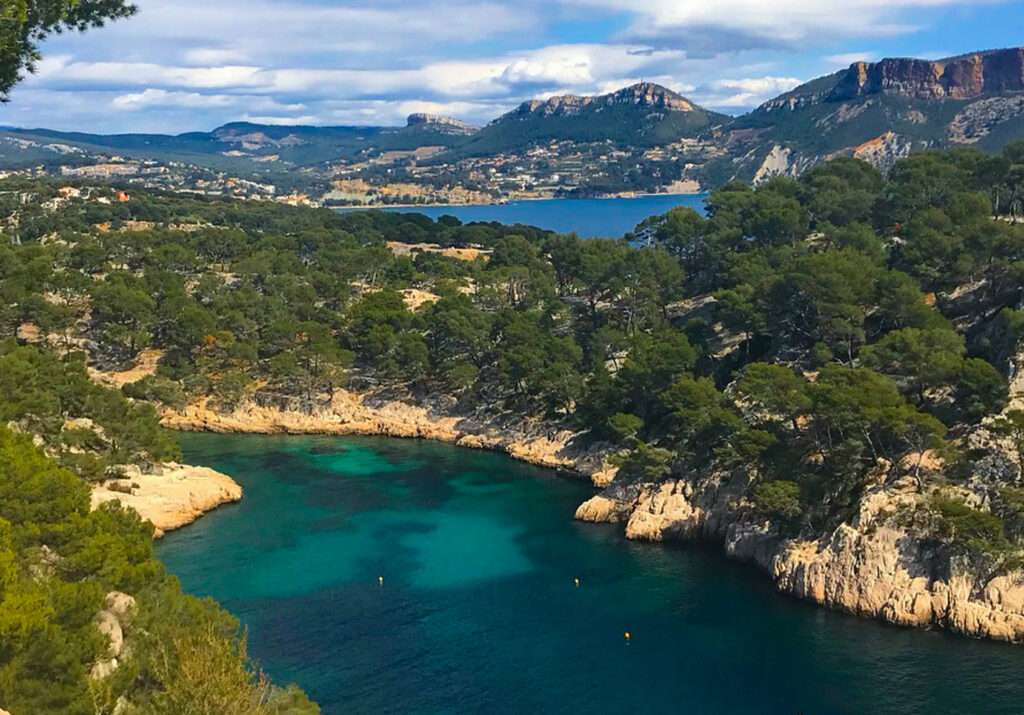
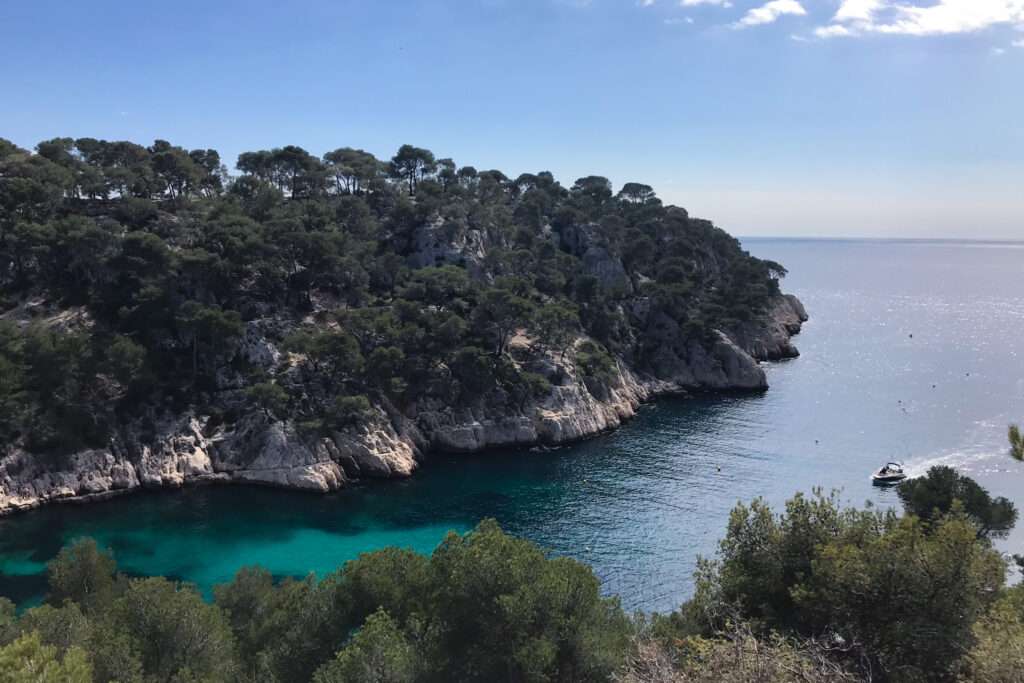
But the real reason you’re here? Calanques National Park. These dramatic limestone cliffs plunge into impossibly clear turquoise water, creating some of the most stunning coastal scenery in France. You can hike into them (Calanque d’En-Vau is the showstopper, though it’s a proper workout), take a boat tour from Cassis harbour for €20-30, or drive up to Cap Canaille – Europe’s highest sea cliff at 394 metres – for achingly beautiful views.
Wine tasting is also big here. Cassis is famous for its white wine, which pairs perfectly with all that seafood you’ll be eating. And if you just want to chill, Plage du Bestouan is the beach where locals hang out, which tells you everything you need to know.
Give yourself two nights in Cassis minimum. One for the town itself, one for exploring the Calanques. It also means you can enjoy the wine to the fullest without worrying about driving.
Where to Stay in Cassis
Most people stay right in the port area because, well, that’s where everything is. You’ve got harbour views, restaurants on your doorstep, and you can walk to everything. It does get busy in summer though. If you want beachfront vibes, Plage du Bestouan is about a 10-minute walk from the centre – quieter, with direct beach access. Or if you fancy something more secluded with pools and gardens, there are some gorgeous spots up in the Cassis Heights, though you’ll either need a car or it’s quite a steep walk into town.
What to Eat in Cassis
It’s all about fresh seafood here – grilled whole fish is the move. Pair it with that local Cassis white wine and you’re sorted. Bouillabaisse is also excellent in Cassis, and if you’re feeling adventurous, try sea urchins (though they’re seasonal, winter months only).
Hiking the Calanques
Right, so if you’re going to hike into the Calanques (and honestly, you should), there are a few things you need to know.
Calanque d’En-Vau is the famous one for a reason – it’s absolutely stunning. The hike is about 10km return and takes 2.5-3 hours. It’s moderate to challenging, mainly because the descent to the beach is properly steep and rocky. You’ll want to bring 2 litres of water per person (there’s nothing along the way), snacks, serious sun protection, swimming gear, and decent shoes – trainers minimum, hiking boots better.
When my partner and I did this one (we’re both moderately fit), we found it pretty challenging, but were completely in awe of a chap carrying his new-born in a papoose the full distance of the hike, as well as all the necessary child paraphernalia! Bravo that man! It’s great to see active parents out and about in nature, inspiring their young ones.
Start early, and I mean early – before 9am in summer. It gets absolutely baking by midday, and sometimes the trails close entirely due to fire risk (usually July to September). Check the park website at calanques-parcnational.fr before you go.
Calanque de Port-Miou is the easiest option if you’re not up for the full En-Vau challenge. It’s only 4km return, takes about an hour, and it’s mostly flat – you could even do it with a buggy if you’re travelling with little ones.
Calanque de Port-Pin sits somewhere in the middle – 6km return, 1.5-2 hours, easy to moderate difficulty. You get a beautiful small beach and it’s usually less crowded than En-Vau.
A few critical things: trails can close June through September due to fire risk, so always check before you go. There are no water sources on the trails, no shade whatsoever, and the rocks can be proper slippery on the descents. Get there early for parking and to avoid the midday furnace.
Not a hiker? Boat tours from Cassis harbour cruise past multiple calanques and cost about €20-30 for 45 minutes. You can book them at the port or online if you want to sort it in advance during summer.
Cannes: Is It Worth Stopping?
Look, Cannes has a bit of a reputation. Luxury boutiques, film festivals, yachts the size of small apartments – and yeah, that’s all definitely there. But there’s another side to Cannes that’s actually worth seeing if you know where to look.
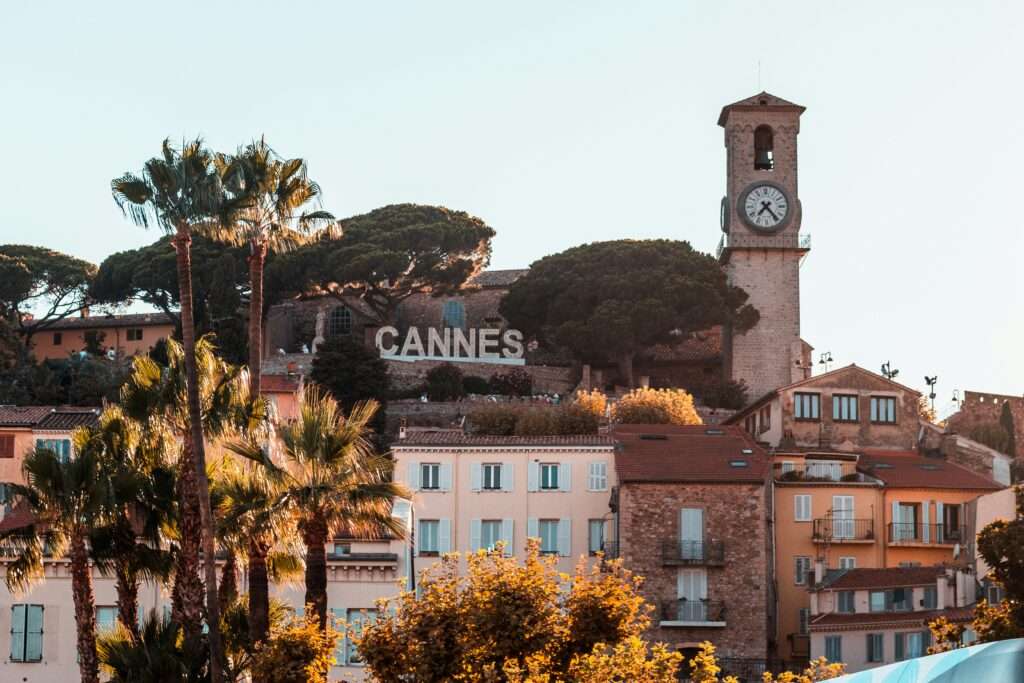
Skip straight past La Croisette (I mean, have a wander, it’s iconic, but don’t spend your whole time there) and head up to Le Suquet, the old town. Cobbled streets, quieter vibes, and absolutely gorgeous views over the bay from the Église Notre-Dame d’Espérance. It’s calmer, more atmospheric, and feels miles away from the Instagram-worthy yacht porn below.
Walk the red carpet steps at Palais des Festivals for the photo op, stroll La Croisette if you fancy some people-watching, explore Le Suquet and maybe climb the tower for €6, and hit up Marché Forville in the morning (closed Mondays) for proper Provençal produce – the colours, the smells, it’s all very French market vibes.
You don’t need long here, honestly. A few hours to half a day is plenty to wander, grab lunch, maybe have a coffee on the waterfront, and decide for yourself whether the hype is warranted. Spoiler: it’s not not pretty. But as a road trip pitstop between Cassis and Nice? It works brilliantly.
Where to Stay in Cannes
La Croisette is the famous boulevard with all the luxury hotels, private beaches, and designer shopping. It’s the most expensive option but utterly iconic if that’s your vibe. Le Suquet (the old town) has way more character – cobbled streets, local restaurants, elevated views – and still gets you to the beach on foot. Cannes Centre, just behind La Croisette, is the compromise – more affordable hotels, still close to everything.
What to Eat in Cannes
Cannes has everything from Michelin-starred spots to casual bistros up in the old town. Hit Marché Forville for fresh produce, try the Provençal classics like socca, pissaladière, and pan bagnat, eat fresh seafood at the port restaurants, and grab pastries from the local boulangeries because French bakeries just hit different.
Nice & Day Trips Along the Coast
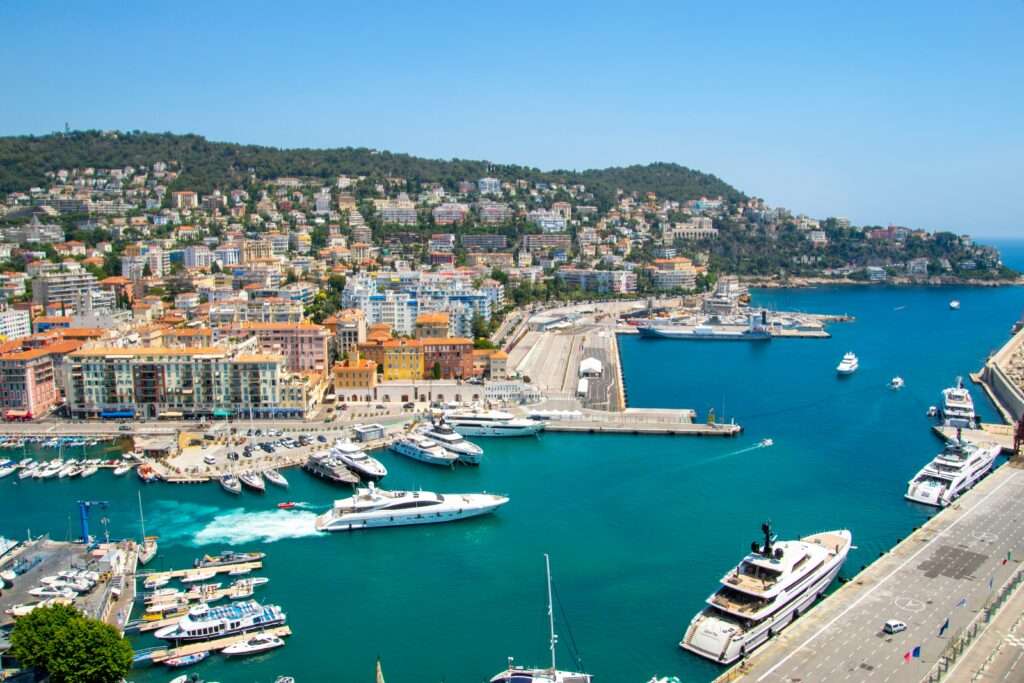
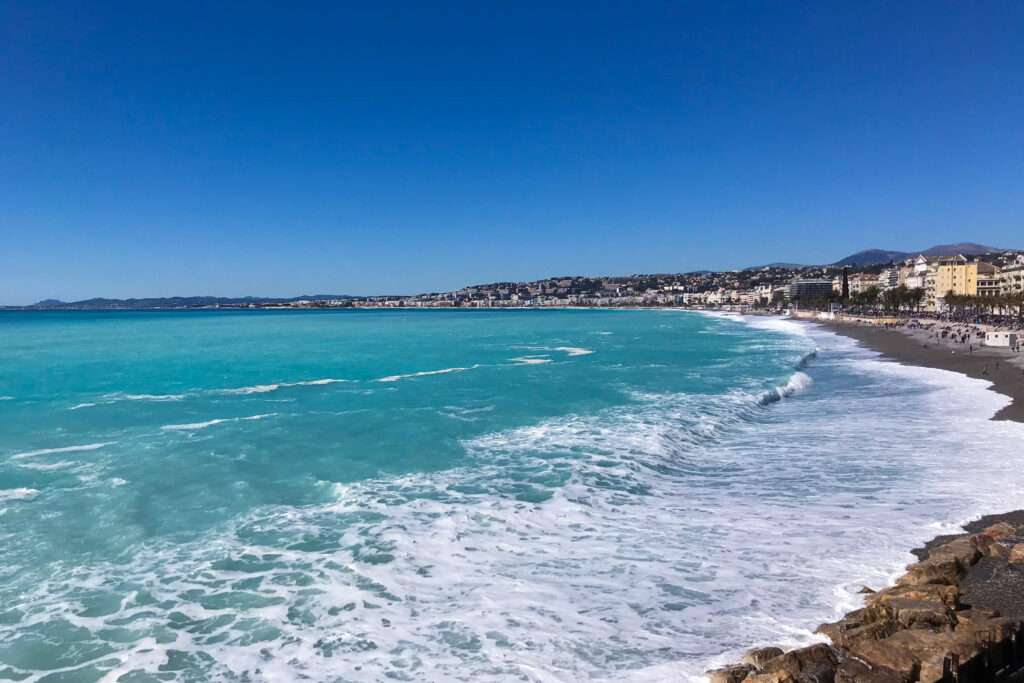
By the time you roll into Nice, you’ll get why so many people fall completely in love with this city. It’s got absolutely everything: the charm of Vieux Nice (Old Town) with its ochre buildings and that brilliant Cours Saleya market, the elegance of the Promenade des Anglais stretching along the pebble beach, and this genuine, lived-in energy that some Riviera towns just don’t have.
Spend your mornings getting lost in Vieux Nice’s maze of streets, where washing hangs from wrought-iron balconies and the smell of socca (chickpea pancake, and you absolutely must try it) wafts from tiny shopfronts. Climb Castle Hill for sunset views – it’s free and absolutely worth the leg workout. Browse Cours Saleya flower and food market in the mornings (except Mondays when it turns into an antiques market), and obviously spend time just strolling the Promenade des Anglais at golden hour with an Aperol spritz in hand.
If you’re into museums, Musée Matisse and the Marc Chagall Museum are both excellent and cost €10 each. But honestly, half the fun of Nice is just wandering around soaking it all in.
Plan for at least 2-3 nights here. You’ll want the extra time, especially if you’re doing day trips.
Where to Stay in Nice
Vieux Nice (Old Town) gives you maximum charm with those narrow streets and brilliant restaurants everywhere. It can be noisy but the atmosphere is unbeatable, and you’re walking distance to everything. The Promenade des Anglais seafront hotels give you beach access and that iconic location, though they’re pricier. Liberation/Jean Médecin area near the train station and main shopping street is more affordable and still central with easy tram access. Cimiez up the hill near the museums is quieter and more residential with beautiful views, but you’ll need transport to get into the centre.
What to Eat in Nice
Nice has its own cuisine (Niçoise) that’s really distinct from the rest of France, which is brilliant. You’ve absolutely got to try socca – it’s a chickpea pancake sold as street food for about €5-8, and it’s iconic. Pan bagnat is the ultimate beach lunch, basically a Niçoise tuna sandwich for around €8. Get a proper salade Niçoise (the original has no green beans or potatoes, just so you know). Try pissaladière (onion and anchovy tart), tourte de blettes (a sweet chard pie that sounds weird but is delicious), and hit up one of the legendary ice cream shops with 90+ flavours.
Day Trips from Nice
This is where Nice really shines – it’s the perfect base for exploring the coast, and you can do all of these without your car. Trains and buses run constantly, they’re cheap, and it’s honestly so much easier than dealing with parking.
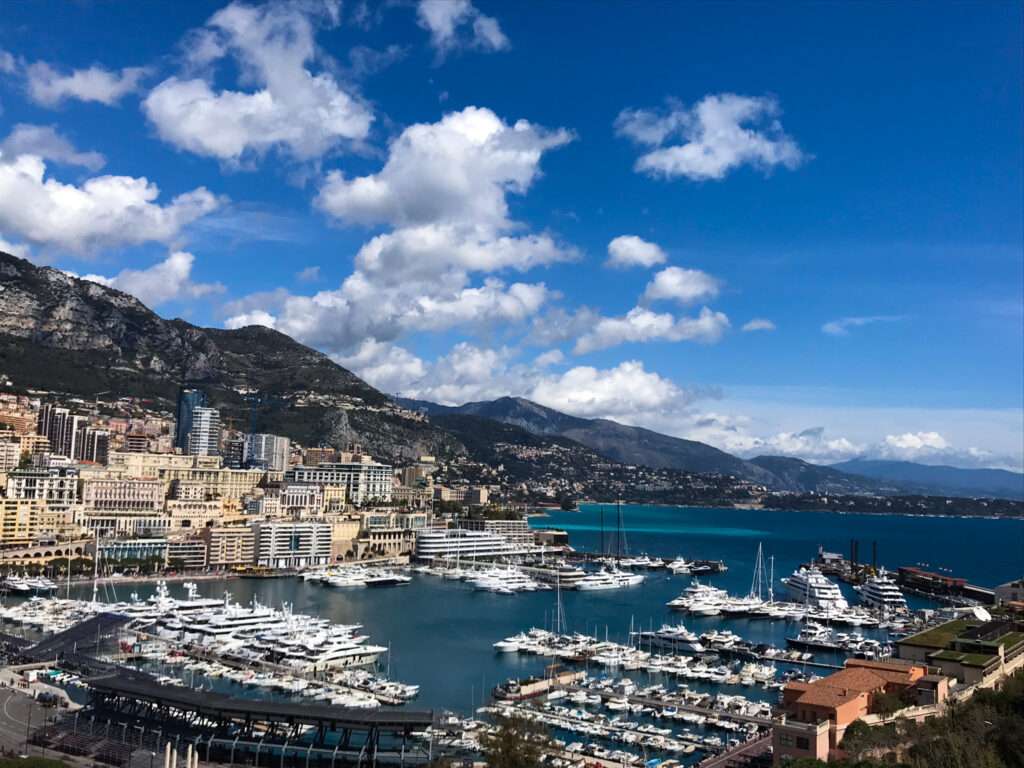
Monaco is just 30 minutes by train for €4. Walk the Grand Prix circuit (you can literally walk the actual track), catch the changing of the guard at the Prince’s Palace at 11:55am daily, gawk at the Casino de Monte-Carlo even if you don’t gamble, explore the Oceanographic Museum for €19, and wander around Monaco-Ville, the old town perched on the rock. The Exotic Garden costs €7.70 and has mental views.
Èze Village is 30 minutes on bus 82 or 112 for €1.50. This medieval hilltop village literally clings to the cliffs 400 metres up. The Jardin Exotique d’Èze costs €8 and the views are absolutely worth it. Browse the artisan boutiques, get lost in the cobbled streets and staircases, and have lunch somewhere with a view (restaurants are pricey but honestly, those views).
Villefranche-sur-Mer is only 10 minutes by train for €2. It’s this gorgeous harbour village with an actual sandy beach (rare around here!), waterfront restaurants where you can literally lunch with your toes in the sand, the Chapelle Saint-Pierre decorated by Jean Cocteau for €3, and crystal-clear calm waters perfect for swimming.
Antibes is 20 minutes by train for €3. Check out the Picasso Museum in Château Grimaldi for €8, wander the ramparts and old town, gawk at the billionaire yachts in Port Vauban (one of Europe’s largest marinas), browse the covered Provençal market, and pop over to Juan-les-Pins beach nearby.
Menton at the Italian border is 35 minutes by train for €5. It’s quieter and way less touristy than Monaco or Nice. The Jardin Serre de la Madone costs €8, the buildings are all colourful and gorgeous, and if you’re there in February, the lemon festival is mental.
Trains between Nice and Monaco/Antibes/Menton run every 15-30 minutes. Buses 82 and 112 go to Èze. It’s all super easy and ridiculously cheap.
5-Day South of France Road Trip Itinerary
This is my recommendation for how to do this route if you’ve got 5-7 days. Obviously adjust it based on your own pace and what you’re into.
Day 1: Arrive in Marseille
Arrive, grab your hire car, check into your hotel, and just settle in. Once you’ve dumped your bags, head out to explore Vieux Port and Le Panier. Wander the colourful streets, check out the street art, maybe browse some boutiques if that’s your thing.
As the sun starts to set, make your way up to Notre-Dame de la Garde for those panoramic views over the city and the Mediterranean – it’s absolutely stunning up there. Head back down for dinner somewhere around the port area with fresh seafood.
Day 2: Full Day in Marseille
Spend your morning at MuCEM museum (€12) if you’re into that, or take a boat out to Château d’If (€16, boats leave from Vieux Port). For lunch, this is when you do the bouillabaisse at a proper traditional restaurant – remember to book ahead and budget €50-70 per person.
Afternoon is for browsing Noailles Market, wandering through different neighbourhoods, maybe hitting up another museum or honestly just soaking up the atmosphere. Marseille’s one of those cities that rewards aimless wandering. For dinner, explore beyond the tourist port area – there are some brilliant spots tucked into the side streets.
Day 3: Drive to Cassis
Check out of your Marseille hotel and make the 45-minute drive to Cassis. Once you’ve checked in and parked the car (seriously, you won’t need it again until you leave), spend the late morning and lunch just exploring the town and harbour. Find a spot for lunch watching the boats drift by.
Afternoon, walk down to Plage du Bestouan for a swim, or just explore the town more and settle in. Evening is all about that harbour-side dinner with a glass (or let’s be honest, a bottle) of local Cassis white wine.
Day 4: Calanques Day
Early start – and I mean proper early, before 9am. Either hike to Calanque d’En-Vau (remember: 2 litres of water per person, snacks, sun cream, swimming gear) or take a boat tour if hiking’s not your thing (book the day before to be safe).
If you’re hiking, the return journey takes about 2.5-3 hours, then you’ll want time for swimming, a picnic, just soaking it all in – you could end up spending the whole day in this beautiful place. Get back to Cassis mid-afternoon, and honestly, you’ll be absolutely knackered. This is a recovery evening – an easy dining option around the harbour or if you are staying up in the Heights maybe grab a take-away and have a chilled evening in.
Day 5: Cassis to Nice via Cannes
Check out and drive to Cannes (2 hours). Park up and spend a couple of hours exploring Le Suquet old town and having a stroll along La Croisette for the obligatory photo ops.
Grab a quick lunch at Marché Forville if it’s not a Monday, or just get a crêpe or sandwich on the go. Then it’s off to Nice (45 minutes), where you’ll check in and either drop the car at your hotel parking or return it completely if you’re done with it.
Walk around Vieux Nice to get your bearings, then it’s socca for dinner (there are loads of places in the old town that do it) followed by a sunset stroll along the Promenade des Anglais.
Day 6: Nice & Monaco
Morning is for climbing Castle Hill for those views, then browsing Cours Saleya market (remember, not on Mondays). Grab lunch somewhere in the old town – a pan bagnat or proper salade Niçoise.
Afternoon, hop on the train to Monaco (30 minutes, €4). Walk the Grand Prix circuit, check out the palace, have a wander around Monaco-Ville. Stay in Monaco for a late lunch at the sea front or head back to Nice for dinner somewhere you’ve had your eye on.
Day 7: Nice Day Trip or Departure
You’ve got options here. Take an easy bus or train to Èze for the medieval village vibes, or Villefranche-sur-Mer for beach time and swimming. Both are back by late afternoon. Alternatively, just have a proper beach day in Nice, final wander through Vieux Nice, pack up, maybe visit a museum you missed.
Or if you’re feeling keen, train it to Antibes for the Picasso Museum and market, or Menton for that Italian border town atmosphere.
Wherever you end up, make it a good farewell dinner because you’ll be sad to leave, then sort yourself for the airport or returning the car.
Final Thoughts
We’ve done this road trip the first time in 2017 and to this day, the South of France is one of our absolute favourite places. We’ve been back many times and will continue to go back. Once you’ve been there and have taken the time to wander the towns and coastlines, you will fall in love with the sea, the mountains, the food and the people. Let me know if you do this trip – it’s definitely bucket trip worthy.